Hydroxypropyl Methylcellulose (HPMC) in Detergents: Properties, Mechanisms, and Applications
Published: September 2025
15 min read
Technical Review
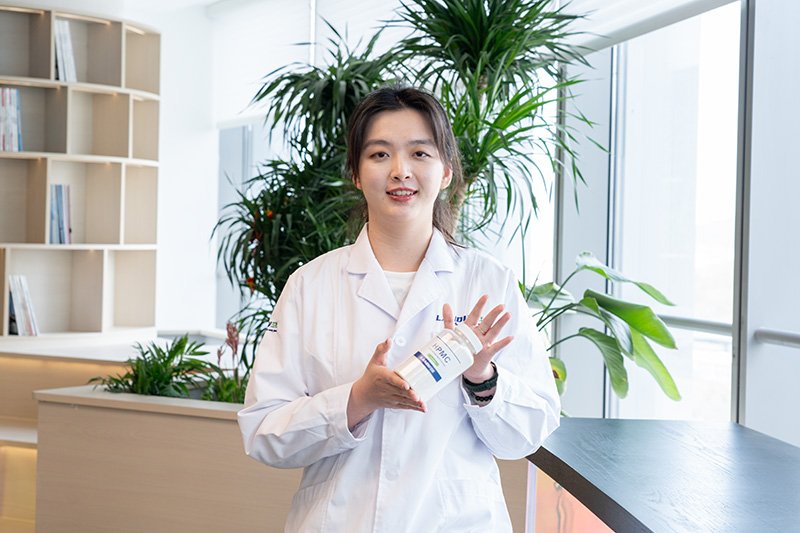
HPMC (Hydroxypropyl Methylcellulose) – A versatile cellulose ether for advanced detergent formulations
Abstract
Hydroxypropyl Methylcellulose (HPMC) is a versatile cellulose ether widely used across detergent formulations for its thickening, stabilizing, binding, and anti-redeposition properties. This paper provides a detailed review of HPMC’s chemical structure, functional roles in various detergent types, compatibility with formulation components, environmental benefits, and performance optimization strategies. Case studies and real-world applications are examined, alongside emerging market trends. The aim is to equip formulation scientists with a deep understanding of how to leverage HPMC for enhanced detergent performance and sustainability.
1. Introduction
Detergent formulations have undergone substantial evolution over the past few decades. Beyond merely removing soils, modern detergents must meet today’s consumer and industrial demands for:
- High and consistent cleaning power
- Long shelf-life and stability
- Pleasant aesthetic and sensory profiles
- Compatibility with complex washing environments
- Environmental sustainability
Achieving this balance requires functional additives that contribute more than one benefit. HPMC — derived from renewable cellulose and chemically modified to enhance its solubility and performance — has emerged as one such multifunctional additive.
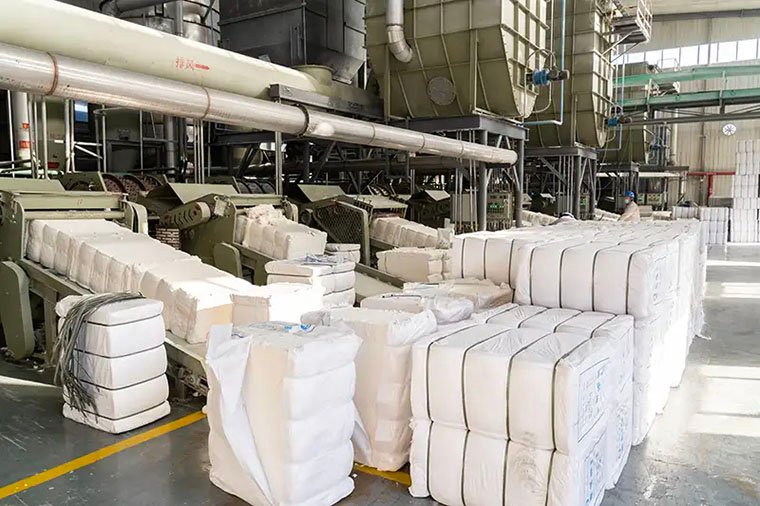
HPMC provides innovative solutions for modern detergent challenges
Known primarily in pharmaceuticals and food, HPMC has also become an increasingly strategic component in liquid, powder, and unit-dose detergent formats. This paper explores in detail how HPMC works in the detergent matrix and why it is increasingly relevant to modern cleaning technology.
2. Chemical Nature of HPMC
2.1 Source and Synthesis
HPMC is produced by chemically modifying purified cellulose (from wood pulp or cotton linters). Through etherification, a proportion of the hydroxyl groups on the glucose units are replaced by methoxy (-OCH₃) and hydroxypropyl (-OCH₂CHOHCH₃) groups.
The extent of substitution is described by:
- Methoxy content (%) — typically around 19–24%
- Hydroxypropyl content (%) — typically around 4–12%
- Degree of substitution (DS) and molar substitution (MS) — numerical measures controlling solubility, viscosity, and gelation temperature.
2.2 Physicochemical Characteristics in Detergent Applications
| Property | Relevance in Detergents |
|---|---|
| Non-ionic | Compatible with anionic, nonionic, cationic, and amphoteric surfactants |
| Water-soluble | Easy incorporation into liquid detergents |
| Film-forming | Ideal for pods, tablets, and coating of active particles |
| Adjustable viscosity grades | Enables precise rheology control |
| pH stability | Stable in pH ranges 3–11 |
| Biodegradable | Meets eco-friendly formulating requirements |
3. Functional Roles in Liquid Detergents
3.1 Viscosity Control and Flow Modification
One of the most important formulation considerations in liquid detergents is rheology. Too thin, and the product fails to meet consumer expectations and may underperform in dose accuracy; too thick, and it may be difficult to pour or disperse.
HPMC grades can achieve Newtonian or pseudoplastic behavior depending on molecular weight and concentration. In practical terms, this means formulators can design liquids that:
- Maintain uniform distribution of solids such as enzymes or abrasives
- Resist phase separation during storage
- Deliver the desired “pour feel” in the consumer’s hand
Example:
In hand dishwashing liquids with high anionic surfactants, HPMC avoids salt-thickening pitfalls, producing a stable viscosity regardless of ionic strength changes during use.
3.2 Suspension and Emulsion Stabilization
Liquid detergents often contain components prone to instability, such as:
- Encapsulated fragrance beads
- Abrasive particles in specialty cleaners
- Oils and hydrophobic solvents for grease removal
HPMC works via steric stabilization and viscosity increase in the continuous phase, slowing sedimentation or creaming. The polymer chains form a protective, hydrated shell around dispersed particles, maintaining aesthetic and performance consistency.
3.3 Temperature-Responsive Behavior
HPMC solutions exhibit thermoreversible gelation — thickening upon heating and returning to liquid when cooled. While this can be a design challenge in hot-fill processing, it may also stabilize formulations exposed to fluctuating supply chain temperatures.
4. Functional Roles in Powdered Detergents
4.1 Granule Binding
Powdered detergents must resist abrasion during packaging, shipping, and handling. Fine dust not only represents product loss but also poses inhalation risks during production.
HPMC acts as a binder during granulation, especially in spray-dried or high-shear agglomeration processes. Upon drying, it forms a flexible cellulose ether film that holds granules together without making them brittle.
4.2 Anti-Caking Agent
Moisture uptake during storage can cause powder detergents to lump. HPMC’s slight moisture-absorption capability, followed by film-formation, creates a micro-barrier that delays water migration, thus extending free-flow shelf life.
4.3 Dust Suppression
In some industrial and institutional detergents with high bulk densities, dust control is critical. A light HPMC spray-on application reduces airborne fines during transfer and dosing.
5. Role in Pods, Tablets, and Specialized Cleaning Formats
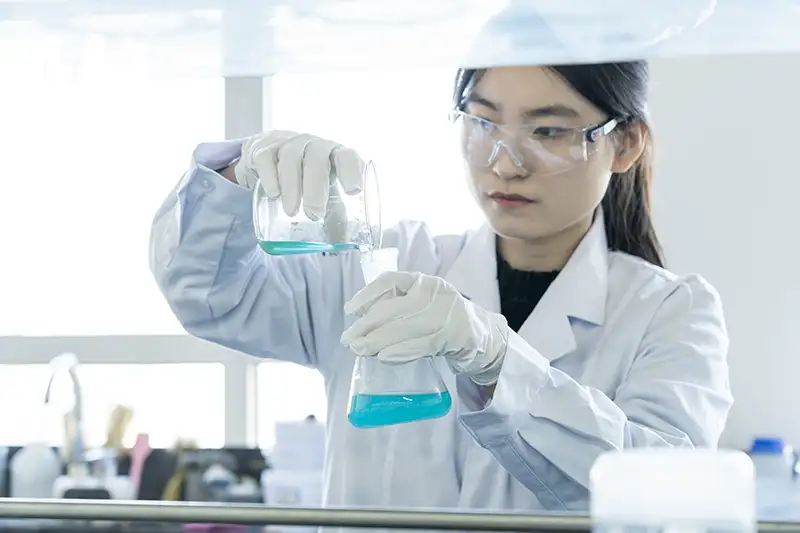
HPMC enables controlled release mechanisms in specialized detergent formats
5.1 Controlled Release Mechanisms
Detergent pods and tablets often contain enzymes, bleach activators, and surfactants in concentrated doses. Premature release during the wash can reduce efficiency or cause fabric damage.
HPMC films dissolve at a predictable rate, allowing timed delivery of actives:
- Outer HPMC coating resists ambient humidity during storage
- Rapid but controlled dissolution upon full immersion ensures active release only at the intended wash phase
5.2 Moisture-Sensitive Active Protection
In oxidative bleach systems, HPMC encapsulation shields peracids or percarbonates from reacting prematurely with moisture from other components.
6. Anti-Redeposition Mechanisms
Redeposition refers to soils dislodged during washing settling back onto fabrics or surfaces. This results in:
- Dingy fabrics over repeated washes
- Streaks on glassware
- Loss of perceived cleanliness
HPMC functions as an anti-redeposition polymer by:
- Adsorbing to soil particles and encapsulating them in a hydrated matrix
- Sterically hindering their approach to surfaces
- Enhancing soil suspension with the aid of surfactants
This is particularly valuable in cold-water or short-cycle washes with lower mechanical energy.
7. Compatibility Profile
HPMC is notable for broad compatibility:
Surfactants
Stable with linear alkylbenzene sulfonates (LAS), SDS, alcohol ethoxylates, betaines, quats
Enzymes
Maintains biological activity by avoiding ionic interactions that can denature proteins
Builders & Chelants
Does not precipitate in the presence of phosphates, citrates, or zeolites
Fragrances & Oils
Supports emulsification and prolongs fragrance perception
8. Environmental and Sustainability Perspective
In the context of green chemistry principles, HPMC offers:
Renewable Sourcing
Sourcing from renewable cellulose
Biodegradability
Readiness of biodegradation in soil and water
Non-Toxic Profile
Non-toxic profile for aquatic life
No Microplastic Persistence
Absence of microplastic persistence
Eco-Label Acceptance
Acceptance in eco-label criteria (EU Ecolabel, Nordic Swan, etc.)
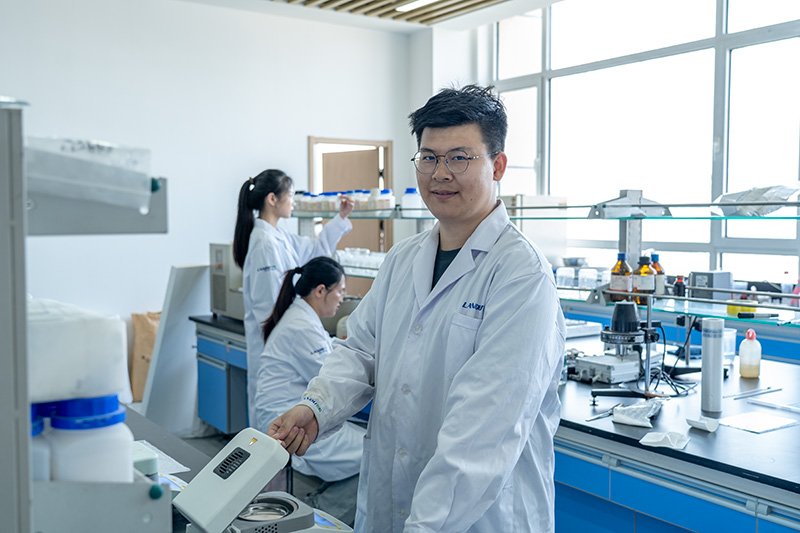
LANDU’s commitment to sustainable and innovative HPMC solutions
Given regulatory movements to phase out persistent synthetic polymers in cleaning products, HPMC provides a secure long-term option.
9. Practical Formulation Guidance
Incorporation Tips:
- Pre-disperse HPMC in non-solvent carriers (like glycerin) to prevent clumping
- Adjust grade selection according to detergent rheology targets
- Use minimal effective concentration for cost-control without sacrificing multifunctionality
Typical Dosage Ranges:
Liquid Detergents:
0.1–1.0%
Powders:
0.1–0.5% as binder/anti-caking agent
Pods/Tablets:
0.5–2% in coating or matrix
10. Case Studies
Case 1: Stabilization of Enzyme-Containing Laundry Liquid
An enzyme-rich laundry liquid using 0.4% medium-viscosity HPMC resisted phase separation for 18 months at 30°C storage, outperforming formulations thickened with xanthan gum.
Case 2: Dust-Free Heavy-Duty Powder
Industrial laundry powder with 0.2% HPMC application reduced airborne fines by 70%, improving plant working conditions.
Case 3: Controlled Release Toilet Cleaning Blocks
HPMC in the outer film coating enabled predictable fragrance and surfactant release over 400 flush cycles.
11. Comparative Perspective: HPMC vs. Other Thickeners
| Thickener Type | Pros | Cons | HPMC Advantage |
|---|---|---|---|
| Xanthan gum | Eco-friendly, high viscosity | Sensitive to enzymes, ionic strength | HPMC more stable with surfactants |
| Polyacrylates | High efficiency | Non-biodegradable, microplastic concerns | HPMC is bio-based and biodegradable |
| Cellulose (CMC) | Cost-effective | Anionic — may be incompatible with cationics | HPMC is non-ionic, broader compatibility |
12. Market and Technology Outlook
The demand for high-functionality, sustainable detergent additives is projected to grow 5–6% annually. HPMC aligns with:
Unit-Dose Growth
Growth of unit-dose segments in North America & Europe
Low-Temperature Washing
Shift toward low-temperature washing in Asia-Pacific
Eco-Certification
Eco-label certification for premium green detergents

Building partnerships for sustainable detergent innovation
Future developments may include engineered substitution patterns for even finer control over dissolution rates, and blends with natural gums for hybrid functionality.
13. Conclusion
HPMC is not merely a viscosity modifier — it is a multifunctional performance enhancer for detergents. Its combined effects as thickener, stabilizer, binder, controlled-release agent, and anti-redeposition polymer offer formulators a single solution for multiple challenges, thus streamlining ingredient lists and enabling sustainable innovations.
The versatility and environmental benefits of HPMC position it as an essential component for next-generation detergent formulations that meet both performance and sustainability requirements.