Product Overview
What Is CMC?
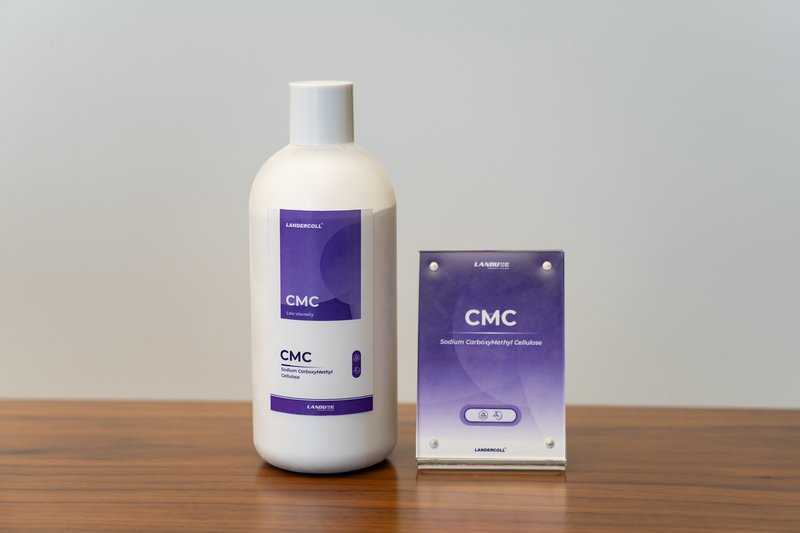
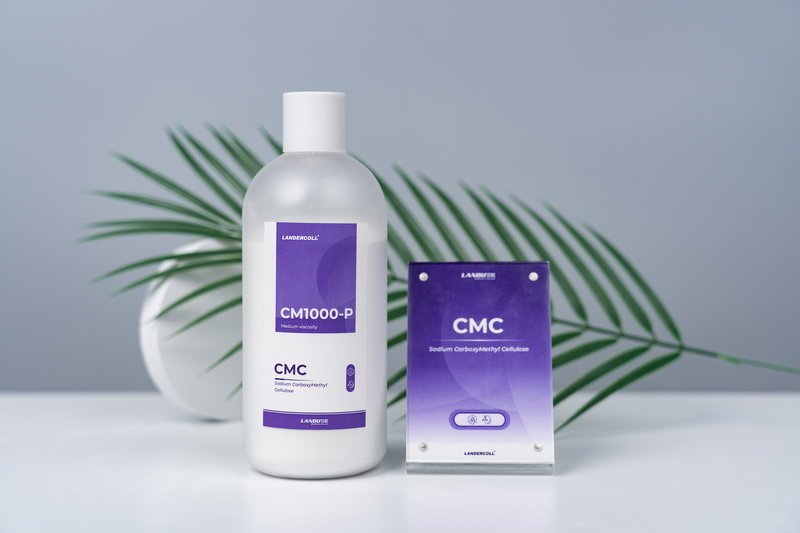
Sodium Carboxymethyl Cellulose (CMC), also known as Cellulose Gum, is a water-soluble polyanionic compound derived from natural cellulose through alkalization, etherification, neutralization, and washing. It is the most widely produced cellulose ether in the world.
As a high-performance additive, LANDERCOLL® CMC serves as a thickener, stabilizer, binder, film former, and water-retention agent across personal care, oral care, home care, food, oil drilling, textile printing, papermaking, and battery industries. Its anionic nature gives it excellent compatibility with surfactants and superior pH stability compared with nonionic cellulose ethers.
Sources: LANDERCOLL CMC · CMC vs HPMC Comparison



Industry Significance
Why CMC Matters in Daily Chemicals
Modern consumers expect personal-care and home-care products to feel luxurious, perform reliably, and remain stable from factory to shelf to final use. CMC addresses all three demands. Its anionic carboxymethyl groups interact synergistically with common surfactants — strengthening foam structure, preventing phase separation, and maintaining smooth, pourable viscosity even under varying temperatures and pH levels.
In toothpaste, CMC is indispensable: it binds the paste, suspends abrasive particles, controls rheology during extrusion and brushing, and prevents water separation ("syneresis") over the product's shelf life. In detergents, it acts as an anti-redeposition agent, keeping loosened dirt from settling back onto cleaned surfaces. In personal-care formulas, it thickens shampoos, stabilizes emulsions, and creates the smooth glide consumers associate with premium quality.
Because CMC is derived from renewable cellulose and is biodegradable, it also supports the growing demand for sustainable formulation ingredients — aligning brand image with environmental responsibility.
Functional Profile
Core Functions of CMC
Thickening & Rheology Control
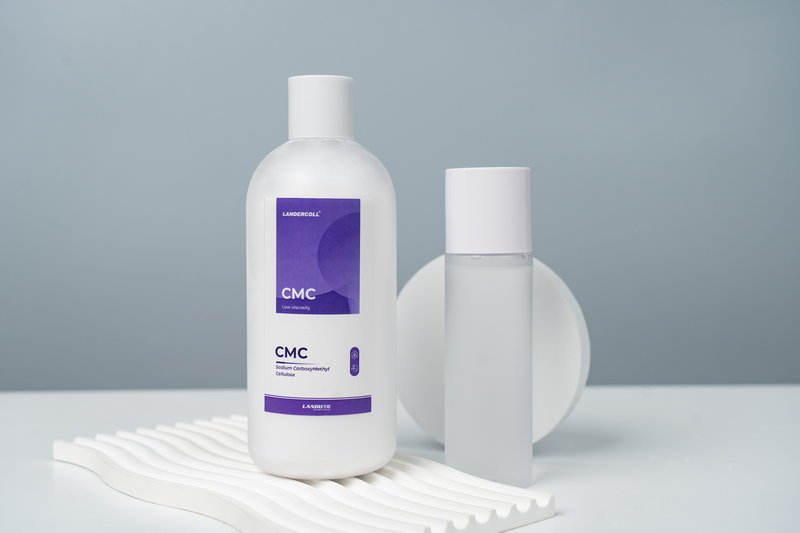
CMC builds viscosity efficiently even at low concentrations (0.2–1.5 %), creating pseudoplastic (shear-thinning) flow that makes products easy to pour, pump, and spread. Viscosity can range from 100 to 60,000+ mPa·s depending on the grade selected.

Stabilization & Anti‑Redeposition
The anionic charge of CMC adsorbs onto particulate surfaces, preventing dirt and abrasives from re-depositing onto cleaned substrates. In emulsion-based formulas, CMC stabilizes oil-in-water systems and resists phase separation during storage and temperature cycling.

Binding & Film Formation
In toothpaste, CMC binds humectants, abrasives, and active ingredients into a cohesive paste. On skin and hair, it forms a light, flexible film that retains moisture and delivers a smooth, non-tacky after-feel — ideal for lotions, masks, and conditioners.

Water Retention
CMC's hydrophilic backbone holds water within the product matrix, reducing syneresis (water bleed) and keeping formulations moist throughout their shelf life. This is especially critical in toothpaste and gel-based personal-care products that must remain homogeneous for 2–3 years.
Suspension & Dispersion
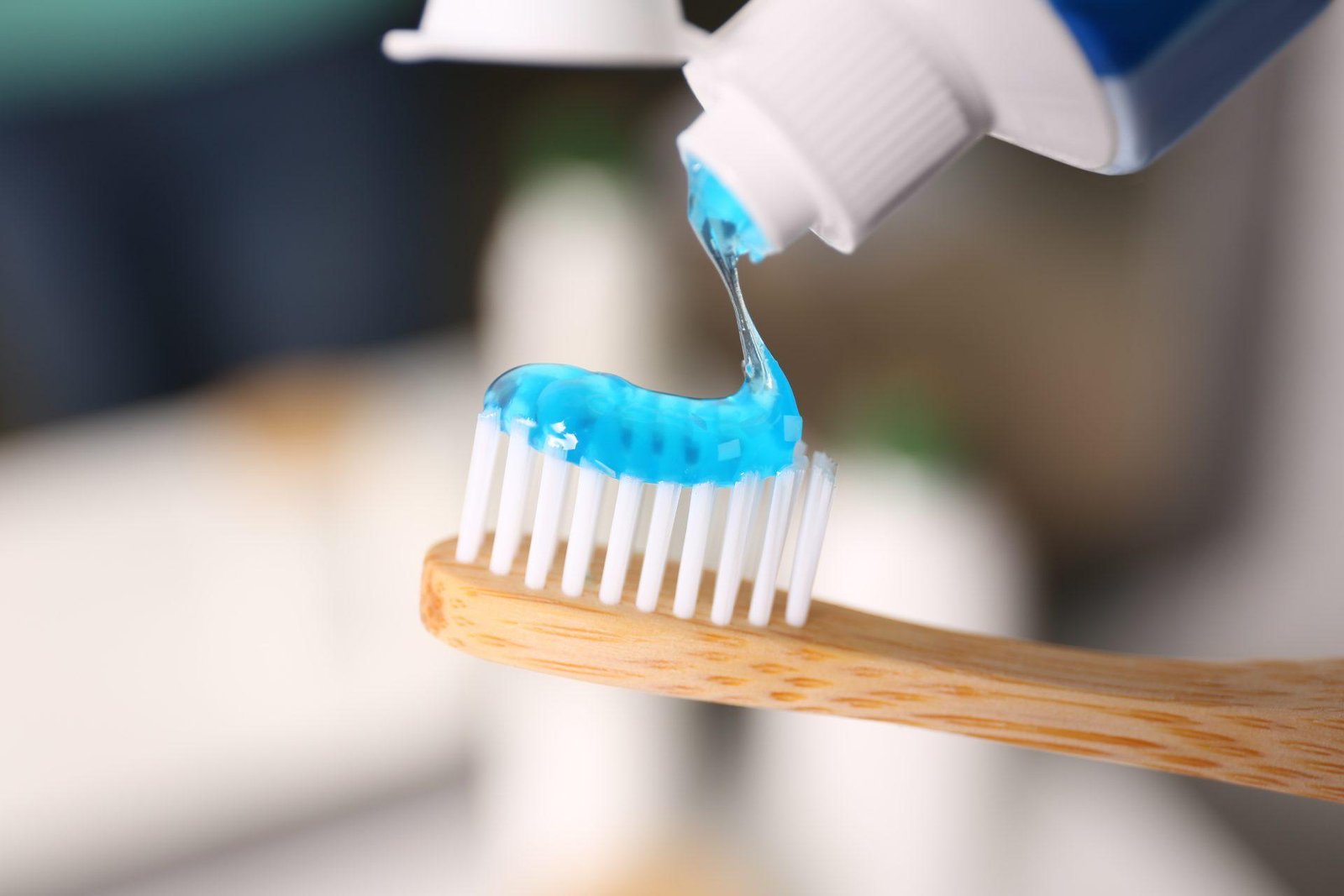
In formulas containing insoluble particles — abrasives in toothpaste, exfoliants in scrubs, or pigments in colored products — CMC provides the yield stress needed to keep particles uniformly distributed without settling, ensuring consistent performance from first to last use.
Surfactant Synergy
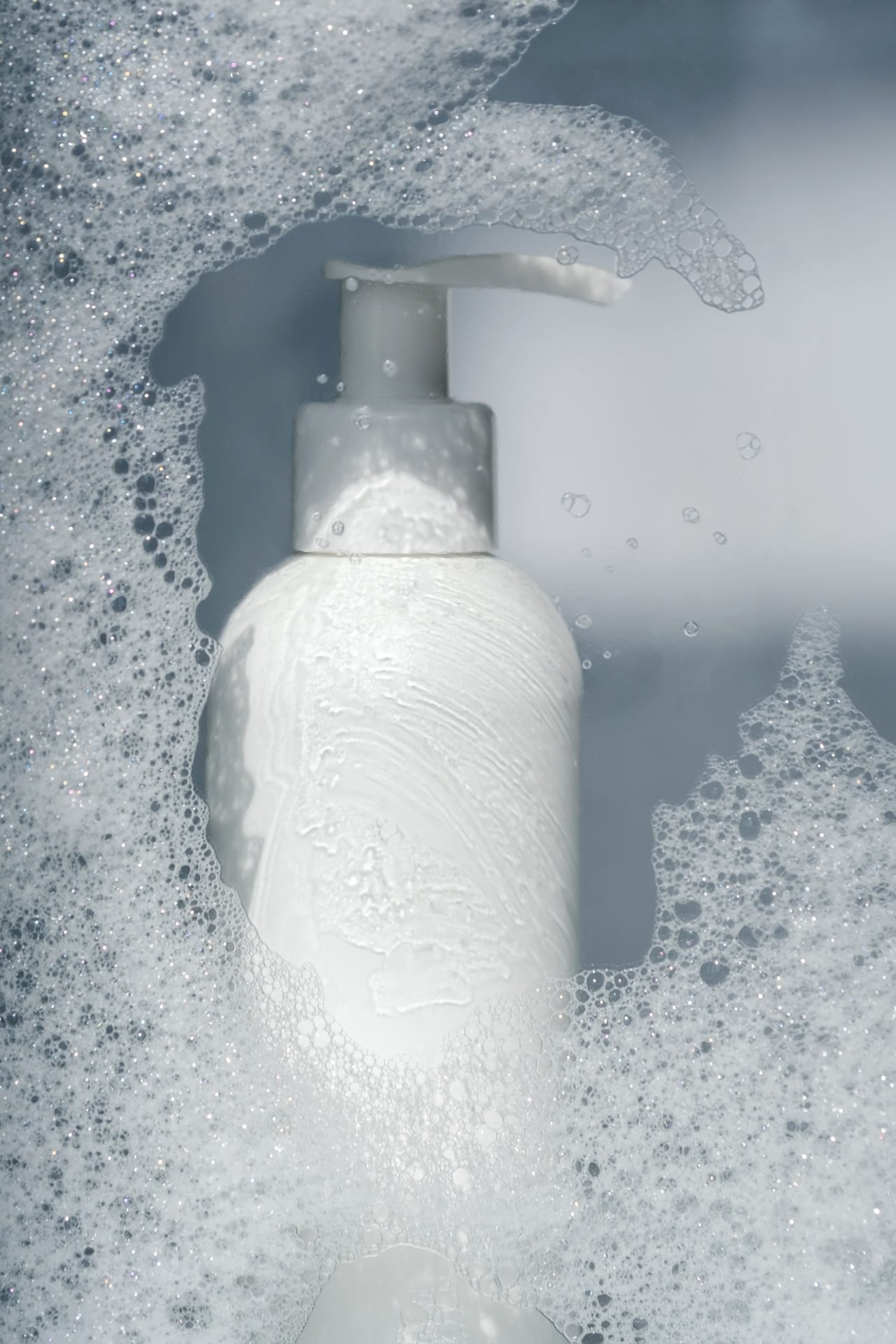
As an anionic polymer, CMC interacts cooperatively with anionic and nonionic surfactants to strengthen foam, improve lather density, and enhance the sensory feel of wash-off products such as shampoos, body washes, and hand soaps — often reducing the total surfactant load required.
2026 Thickener Comparison
CMC vs. Other Cellulose Ethers & Thickeners
This table compares the key performance attributes of CMC against HPMC, HEC, Xanthan Gum, and Carbomer to help formulators select the optimal additive for each application.
| Thickener | Thickening Efficiency | pH Stability | Salt Tolerance | Film Forming | Clarity | Anti-Redeposition | Sustainability | Best Applications | Main Limitation |
|---|---|---|---|---|---|---|---|---|---|
| LANDERCOLL® CMC | Good – Excellent | Excellent (pH 3–12) | Good | Moderate | Good | Excellent | High | Toothpaste, Detergents, Lotions, Oil Drilling | Can interact with cationic ingredients |
| HPMC | Excellent | Good (pH 3–11) | Moderate | Excellent | Good | Moderate | High | Body Wash, Shampoo, Cleaning Gels | Thermal gelation limits hot-process formulas |
| HEC | Good | Limited (pH 3–9) | Good | Good | Excellent | Low | High | Shampoos, Lotions, Clear Gels | Lower max viscosity range |
| Xanthan Gum | Excellent | Good (pH 2–12) | Excellent | Low | Low | Low | High | Food, Heavy Suspensions | Stringy texture, poor clarity |
| Carbomer | Excellent | Narrow (pH 5–9) | Poor | Moderate | Excellent | Low | Low | Clear Gels, Serums | Requires neutralization; salt-sensitive |
Key insight: CMC's unmatched pH stability (pH 3–12) and superior anti-redeposition performance make it the default choice for toothpaste and laundry/detergent formulations, while its anionic charge provides unique surfactant synergy not available from nonionic alternatives.
Technical Specifications
Product Parameters
| Parameter | Reference Value | Meaning |
|---|---|---|
| Appearance | White or off-white powder | Free-flowing, easy to handle and disperse |
| Moisture Content | ≤ 6 % | Ensures shelf stability and accurate dosing |
| Ash Content | ≤ 5 % | Indicates purity; lower ash = higher cellulose content |
| pH Value (1 % solution) | 6.5 – 8.5 | Near-neutral; compatible with most formulations |
| Viscosity (2 %, Brookfield) | 100 – 60,000 mPa·s | Wide range covers thin liquids to thick pastes |
| Degree of Substitution (DS) | 0.7 – 1.2 | Higher DS = better solubility, clarity, and stability |
| Purity | ≥ 95 % (≥ 99.5 % purified grade) | Critical for oral-care and personal-care applications |
| Shelf Life | 2 – 3 years | Stored in original sealed packaging, cool & dry |
Source: LANDERCOLL CMC Product Page
≤ 6 %
Moisture
≤ 5 %
Ash
6.5–8.5
pH
100–60K
Viscosity (mPa·s)
0.7–1.2
DS Range
2–3 yr
Shelf Life
Dissolution Best Practice: Slowly sift CMC powder into room-temperature water (15–25 °C) under moderate agitation. For faster hydration, pre-disperse in glycerin or propylene glycol before adding water. Allow 30–60 minutes for full viscosity development. Avoid adding CMC directly to hot water above 60 °C, as rapid surface hydration can cause lumping.
Grade Selection
Available CMC Grades
Grade 01
Low–Medium Viscosity
100–2,000 mPa·s (2 %). Ideal for lightweight personal-care products that need smooth flow and subtle body without excessive thickness.
Grade 02
Medium–High Viscosity
2,000–20,000 mPa·s (2 %). Provides substantial body for creams, lotions, and gel-based products requiring stable yield stress and long-term suspension.

Grade 03 — Oral Care
Toothpaste Grade (High Purity)
DS 0.9–1.2, Purity ≥ 99.5 %, Viscosity 700–5,000 mPa·s (2 %). Specifically developed for toothpaste with strict requirements for binding, extrusion rheology, water-retention, and regulatory compliance (FDA GRAS).
Application Areas
Where LANDERCOLL® CMC Performs


Oral Care
CMC is the dominant cellulose ether in toothpaste formulation worldwide. Its unique combination of binding, thickening, suspension, and water-retention properties makes it indispensable for achieving the smooth, non-drip consistency consumers expect.
Toothpaste
Mouthwash Gel & Dental Gel


Personal Care
In personal-care formulations, CMC thickens, stabilizes, and enhances the sensory profile of a wide range of products. Its anionic nature provides unique synergies with surfactant systems, and its film-forming ability leaves skin and hair feeling smooth and conditioned.
Shampoo & Body Wash
Lotions & Creams
Facial Masks & Cleansers
Hand Sanitizer

Home Care
CMC has been a staple in detergent formulations for decades, valued primarily for its anti-redeposition function — the anionic polymer adsorbs onto dirt particles and fabric surfaces, preventing removed soil from settling back. It also thickens liquid and paste detergents, and stabilizes bleach and disinfectant formulations.
Liquid Laundry Detergent
Dishwashing Liquid
Floor & Surface Cleaners
Logistics
Packaging & Storage
Standard Packaging
25 kg
per multi-layer kraft-paper bag with PE inner liner
- Jumbo bags (500 kg / 1,000 kg) available on request
- Custom packaging and private labeling supported
- Palletized and shrink-wrapped for safe sea or land freight
- Each bag labeled with product name, lot number, manufacture date, and net weight
Storage Guidelines
Cool · Dry · Sealed
- Store below 25 °C in a dry, ventilated warehouse
- Keep bags sealed and away from moisture, direct sunlight, and heat sources
- Do not store near strong acids, bases, or oxidizing agents
- Follow FIFO (First In, First Out) inventory rotation
- Shelf life: 2–3 years when stored correctly in original packaging
- Once opened, reseal immediately and use within 6 months
Source: LANDERCOLL CMC Specifications

Selection Guide
How to Choose the Right CMC Grade
Define Your Application
Toothpaste requires a high-purity, medium-viscosity grade (DS ≥ 0.9, Purity ≥ 99.5 %). Liquid detergents need a cost-effective lower-DS grade. Identify whether the primary function is thickening, binding, stabilization, or anti-redeposition.
Determine Viscosity Requirements
Match the target product viscosity (thin liquid, pourable gel, thick paste) to the CMC viscosity grade. Low-viscosity grades (100–2,000 mPa·s) suit rinse-off products; medium-high grades (2,000–20,000+ mPa·s) suit leave-on or paste products.
Consider Compatibility
CMC is anionic — it works synergistically with anionic and nonionic surfactants but may interact with cationic ingredients (e.g., cationic conditioners, cetrimonium chloride). For cationic systems, consider HEC or HPMC alternatives, or test at the intended ratio.
Request a Sample & Validate
LANDERCOLL provides free evaluation samples with full TDS (Technical Data Sheet) and formulation guidance. Run bench-scale trials to confirm viscosity, stability, sensory attributes, and shelf-life performance before scale-up.
Get Started
Sample Request & Technical Support
Request a Sample
Evaluate LANDERCOLL® CMC in your formulation lab — free of charge. Tell us your application, target viscosity, and batch size, and we'll ship the most suitable grade with a detailed TDS. Typical sample dispatch: 3–5 business days.
Technical Support
Our R&D team is available to assist with grade selection, dissolution optimization, formulation troubleshooting, and regulatory documentation. Whether you're developing a new toothpaste, reformulating a shampoo, or scaling up production — we're here to help.
The LANDERCOLL Advantage
Why Choose LANDERCOLL® CMC
Consistent Quality
Every batch is tested for viscosity, DS, moisture, ash, pH, and purity. ISO 9001-certified production ensures lot-to-lot reproducibility that formulators can depend on.
Integrated Production
With 3 production bases and full vertical integration from cellulose pulp to finished CMC powder, LANDERCOLL controls quality at every stage — from alkalization and etherification to washing, drying, and grinding.
Global Reach
LANDERCOLL CMC ships to 80+ countries worldwide, supported by regional warehouses, responsive logistics, and a multilingual technical team that understands local regulatory and market requirements.
Sustainability
CMC is derived from renewable cellulose (wood pulp or cotton linter) and is biodegradable. LANDERCOLL's closed-loop solvent recovery and water recycling processes minimize environmental impact across the supply chain.
10,000
MT/yr CMC Capacity
75,000
MT/yr Total Portfolio
ISO 9001
Certified
80+
Countries Served
Knowledge Base
Frequently Asked Questions
Source →
Source →
Source →
Source →
Trusted Worldwide
The Versatile Foundation for Modern Formulations
From the toothpaste you use every morning to the detergent that cleans your clothes, CMC works quietly behind the scenes — binding, thickening, stabilizing, and protecting. LANDERCOLL® Sodium Carboxymethyl Cellulose delivers the purity, consistency, and functional versatility that formulators need to create products consumers love. Backed by integrated manufacturing, rigorous quality control, and a global logistics network, LANDERCOLL is your reliable partner for cellulose-ether solutions — from first sample to full-scale production.
Ready to Get Started?
Partner with LANDERCOLL for Your CMC Needs
Whether you're formulating toothpaste, developing a new personal-care line, or optimizing your detergent production — our team is ready to support you with the right CMC grade, technical guidance, and reliable supply.
All product specifications are typical values for reference only. Actual performance may vary depending on formulation, processing conditions, and end-use application. Contact LANDERCOLL for grade-specific Technical Data Sheets. · landercoll.com · landu-china.com