Why Can't You Just Use a General-Purpose Thickener in Toothpaste?
Honestly, this is one of the most common formulation mistakes in oral care development. A thickener that performs well in a shampoo, body wash, or even a facial cleanser will almost certainly underperform in a toothpaste system — and the failure modes are specific and predictable.
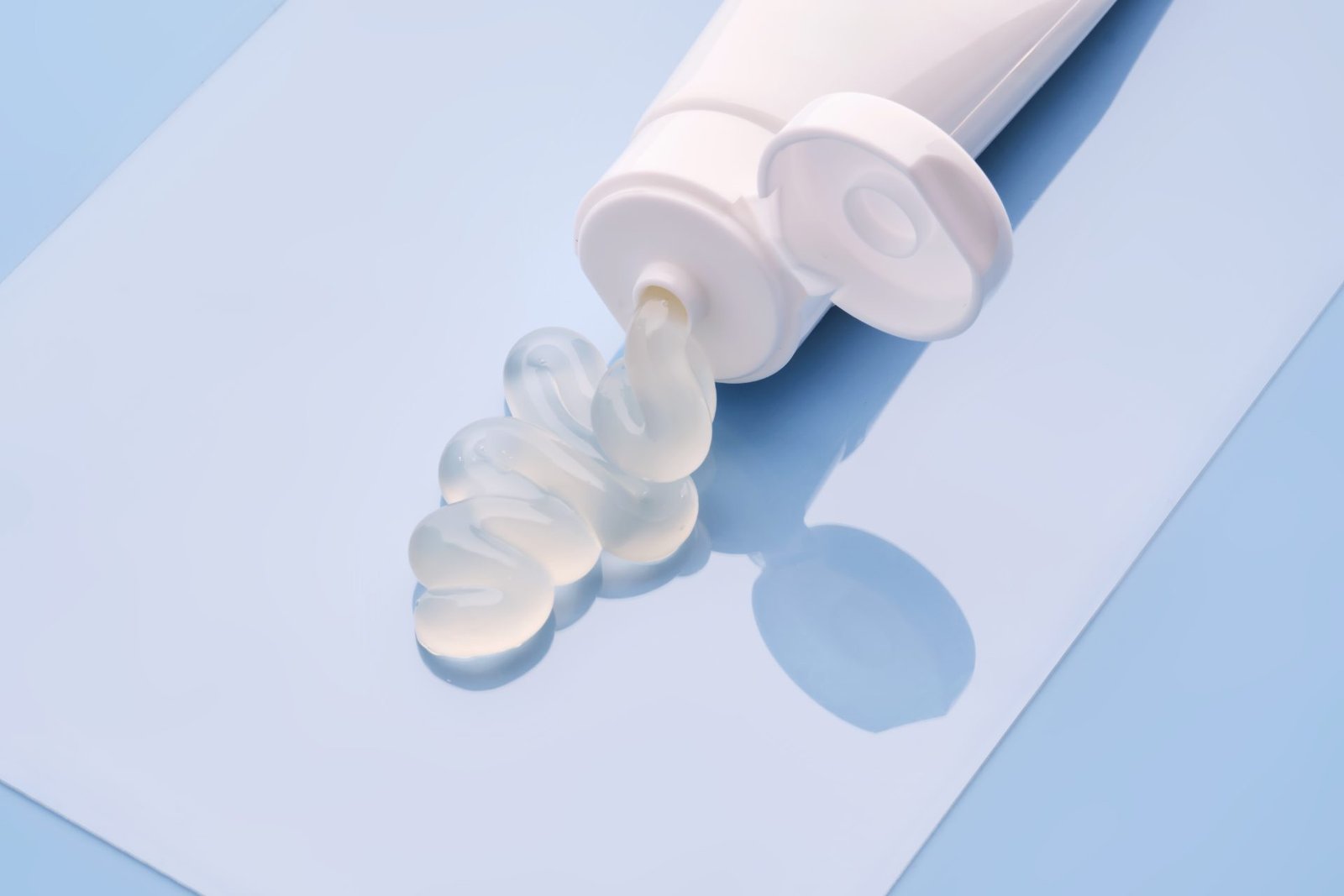
General-purpose cellulose ether thickeners are designed for aqueous liquid systems. They build viscosity effectively, but they don't deliver the yield stress profile that toothpaste requires. Without adequate yield stress, the paste slumps on the brush, dispenses inconsistently, and may show phase separation in the tube over time.
Toothpaste also operates in a chemically complex environment — high abrasive loading, fluoride actives, surfactant systems, humectant packages, and flavoring agents all interact with the rheology additive system. A thickener that's not specifically selected for oral care compatibility may show viscosity drift, incompatibility with fluoride, or sensory issues during brushing that no amount of formulation adjustment can fully correct.