
Before using LANDU HPMC
Visible phase separation after 4–6 weeks of storage; consumers report a “watery bottom layer” and inconsistent dosing performance.
Over 60% of liquid detergent formulation failures trace back to a single root cause: inadequate additive selection. If your laundry detergent struggles with viscosity inconsistency, phase separation, or poor cold-water dispersion, the solution is not a reformulation from scratch — it is choosing the right functional additive from the start.
LANDU cellulose-based additives for laundry detergent are engineered to solve exactly these challenges — delivering stable viscosity, superior clarity, electrolyte tolerance, and reliable soil reattachment prevention in one optimized system.
“A well-formulated laundry detergent additive system does more than thicken a liquid — it controls flow behavior, prevents structural breakdown during storage, and directly contributes to the cleaning performance consumers expect every wash cycle.” — LANDU Formulation Technical Team

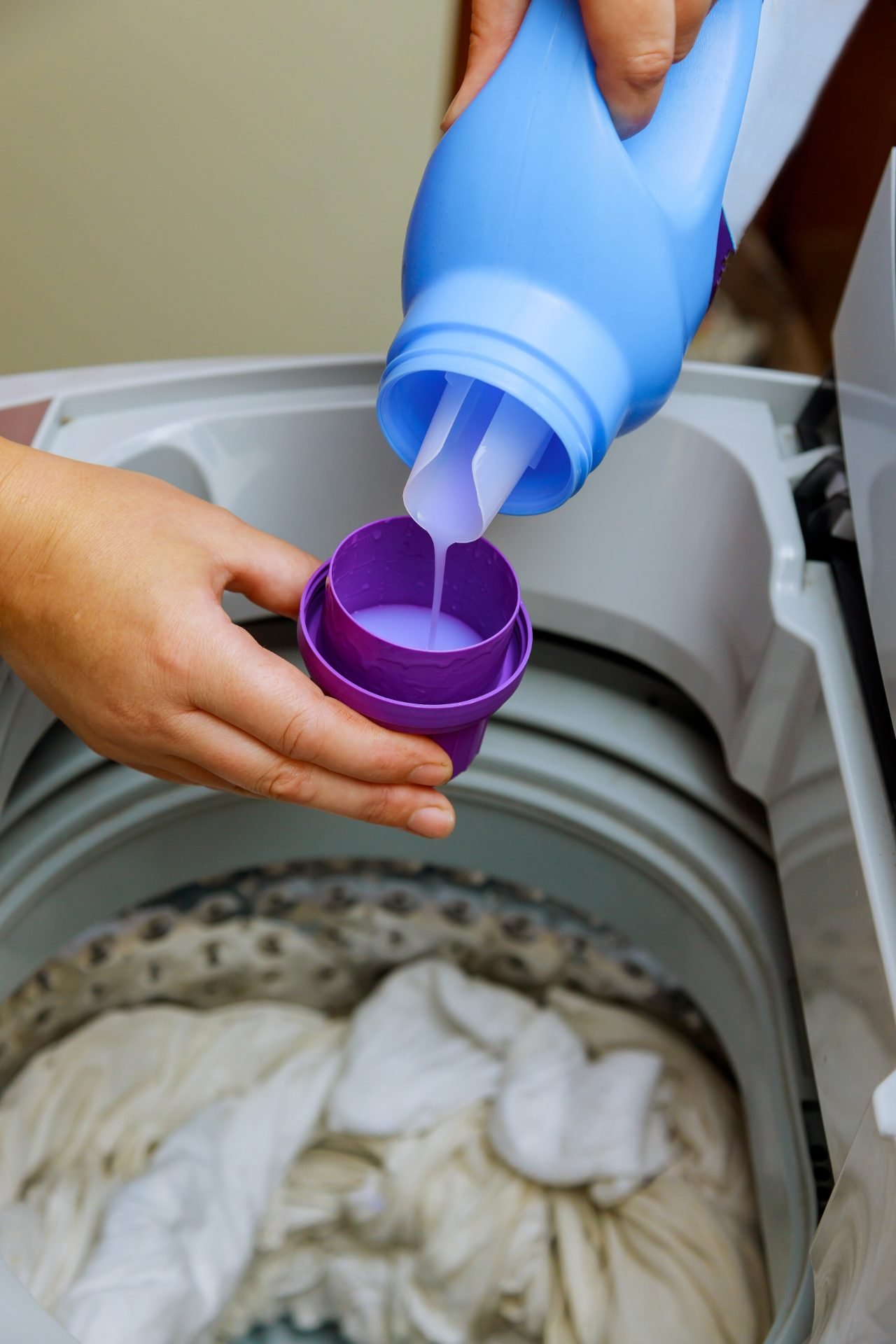

Most laundry detergent formulations face four critical performance gaps that generic thickeners cannot solve:
LANDU's daily chemical additive portfolio — anchored by detergent-grade HPMC — is specifically engineered to close all four gaps simultaneously. Unlike standard industrial-grade cellulose ethers, LANDU's detergent-grade products are surface-treated for rapid cold-water dispersibility, formulated for electrolyte tolerance, and optimized for the pH ranges common in modern liquid laundry systems.
The result: a laundry detergent that looks better, performs more consistently, and processes more efficiently — from the manufacturing line to the consumer's washing machine.
A high-performance laundry detergent additive must satisfy five technical requirements at once: controlled viscosity building, system stabilization, optical clarity, electrolyte and pH tolerance, and cold-water dispersibility. LANDU's detergent-grade HPMC is engineered to meet all five within a single additive solution.
Target body at rest with shear-thinning flow when poured or pumped.
Structured network support to reduce settling and phase separation.
Premium transparent systems benefit from reduced haziness.
Stability in surfactant-heavy, high-salt, alkaline matrices.
Rapid hydration for cleaner processing and batch consistency.
Yes — and the data confirms it. Consumers consistently associate viscosity with product quality and concentration. A detergent that pours too thin is perceived as diluted; one that pours too thick creates dosing frustration.
LANDU HPMC for laundry detergent delivers shear-thinning viscosity behavior — meaning the product flows easily when poured or pumped, but recovers body at rest. This pseudoplastic profile is precisely what modern liquid detergent systems require.
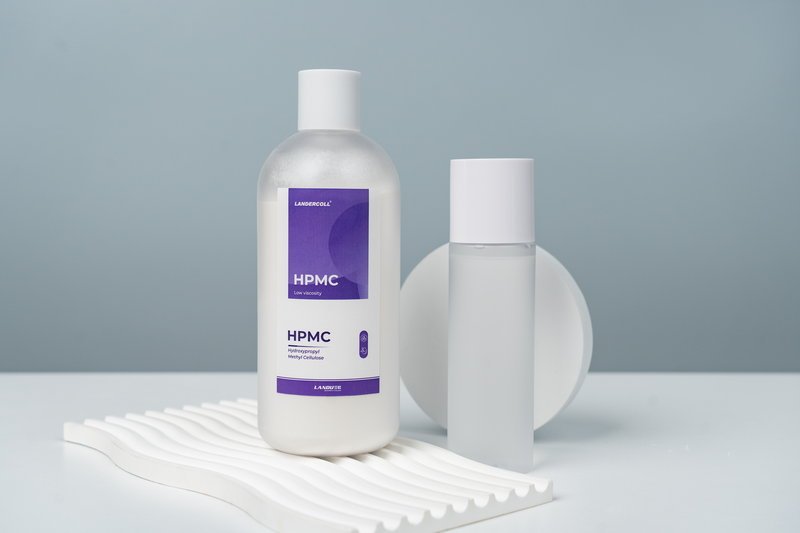
Filler settling is one of the most visible quality failures in liquid laundry detergent — and one of the most preventable. LANDU's cellulose ether creates a structured network within the liquid matrix that suspends dispersed particles and prevents gravitational separation over time.
Visible phase separation after 4–6 weeks of storage; consumers report a “watery bottom layer” and inconsistent dosing performance.

Uniform product appearance maintained throughout shelf life; no settling observed in standard 12-week stability testing protocols.
“LANDU cellulose ether in home care detergent formulations helps prevent filler settling, supporting a more stable product appearance and consistent performance from the first dose to the last.” — LANDERCOLL Home Care Application Documentation
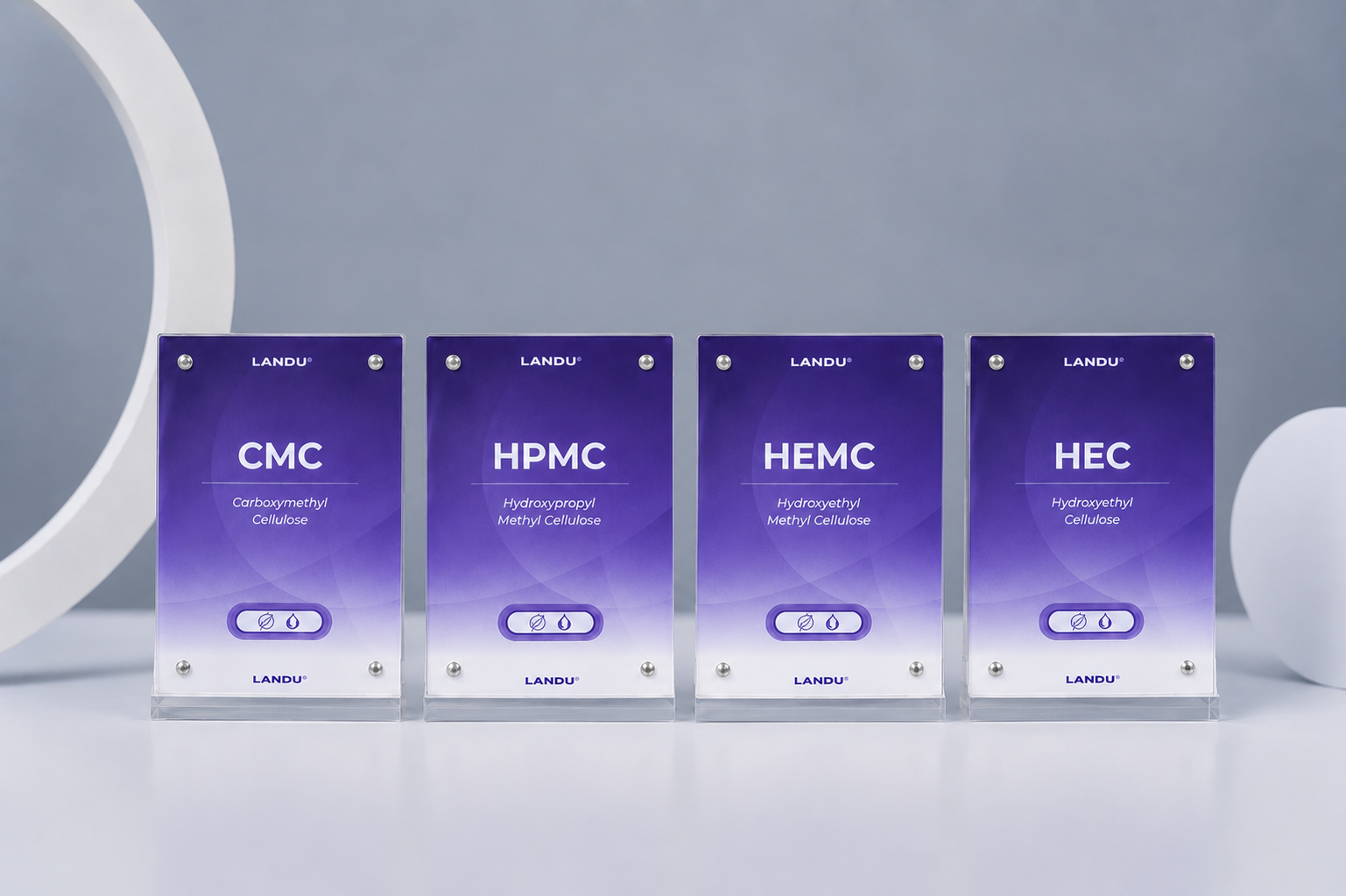
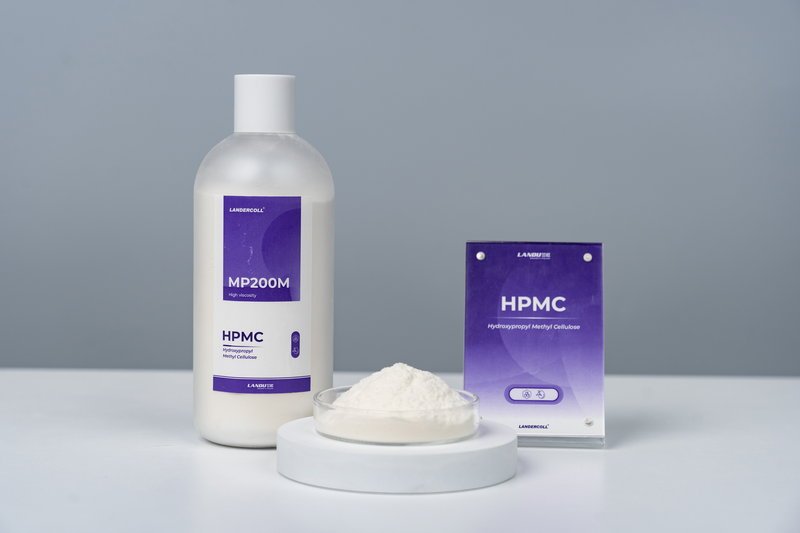
LANDU detergent-grade HPMC (Hydroxypropyl Methylcellulose) is the primary recommended additive for laundry detergent formulations. It is specifically engineered for fluid and semi-fluid home care systems, with surface treatment technology that enables rapid cold-water dispersion and prevents processing clumps.
View HPMC product directionLANDU's detergent-grade HPMC is the most versatile and widely applicable additive in the laundry detergent category. Its performance profile addresses the full spectrum of formulation challenges:
| Performance dimension | LANDU HPMC contribution | Formulation impact |
|---|---|---|
| Viscosity building | Shear-thinning rheology profile | Better pourability + product body |
| System stability | Structured suspension network | Prevents settling, phase separation |
| Optical clarity | Reduced haziness, lower fiber content | Premium product appearance |
| Electrolyte tolerance | Stable in high-salt environments | Compatible with surfactant-heavy systems |
| pH stability | Effective across wide pH range | Suitable for alkaline detergent matrices |
| Cold-water dispersibility | Surface-treated for rapid hydration | Faster processing, no clumping |
| Soil reattachment prevention | Anti-redeposition mechanism | Stronger cleaning performance claim |
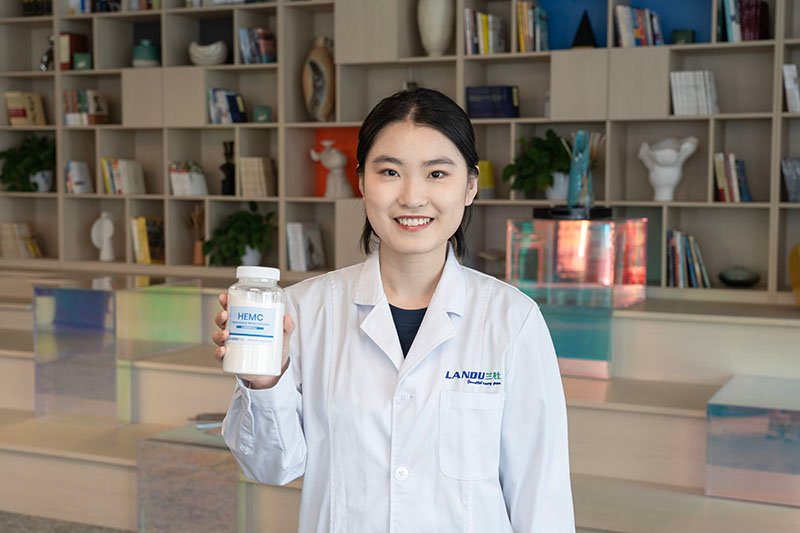
Similar rheological benefits to HPMC with slightly different solubility and thermal gelation profiles — useful when you need alternative cellulose ether chemistry for compatibility or regional regulatory reasons.
View HEMC / MHEC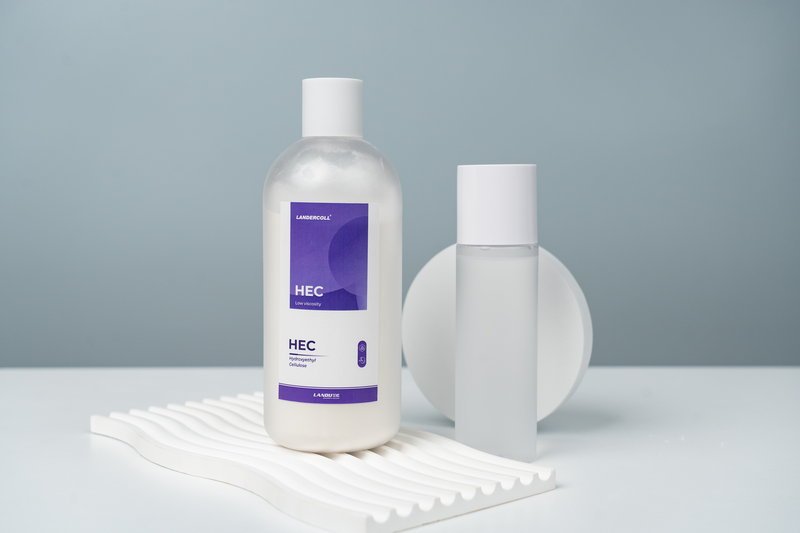
Particularly valued when ionic compatibility is a primary concern — non-ionic character supports stability in elevated salt concentrations.
View HEC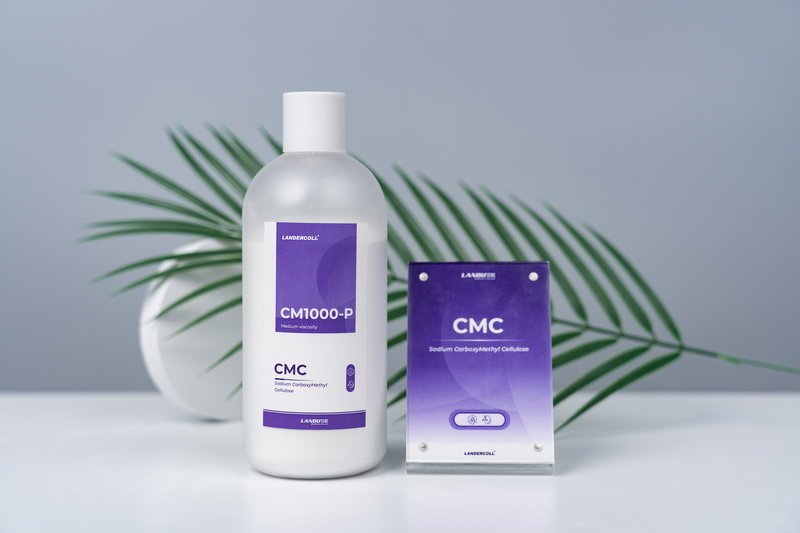
Anti-redeposition functionality — widely used in powder detergent systems; in liquids, it can complement HPMC in hybrid additive strategies.
View CMC
LANDU cellulose-based additives improve laundry detergent cleaning performance through two mechanisms: anti-redeposition action that prevents removed soil from reattaching to fabric fibers, and rheology optimization that helps the detergent distribute more evenly across the wash load during the cycle.
Anti-redeposition is the ability of a detergent system to keep removed soil suspended in the wash water rather than allowing it to redeposit onto fabric surfaces. Without effective anti-redeposition agents, fabrics can appear dull or gray after repeated washing — even when soil is removed initially.
LANDU's cellulose products in home care detergents are documented to help prevent soil reattachment, strengthening the cleaning performance narrative for brands and private-label manufacturers.
Traditional cellulose ethers may require hot-water dissolution or extended mixing cycles. LANDU's surface-treated detergent-grade HPMC disperses rapidly in cold water — a critical advantage for continuous lines and temperature-sensitive surfactant systems.
“LANDU detergent-grade HPMC is specifically engineered for fluid and semi-fluid personal and home care formulations, with surface treatment technology that improves cold-water dispersibility and eliminates processing clumping — making it the preferred choice for high-throughput liquid detergent manufacturing.” — LANDU Daily Chemical Product Documentation
LANDU's laundry detergent additive solutions serve a broad range of customers across the home care value chain:
Whether you are optimizing an existing formula or building a new laundry detergent product from the ground up, LANDU's technical team provides application-specific guidance, recommended grade tables, and sample support to accelerate your development timeline.

Liquid laundry detergent formulations incorporating LANDU HPMC demonstrate no visible phase separation or settling in standard 12-week accelerated stability testing at 40°C / 75% RH — a benchmark many generic thickener systems struggle to meet.
“We switched to LANDU detergent-grade HPMC for our concentrated liquid laundry line and immediately saw improvement in product clarity and pour consistency. The cold-water dispersibility made our mixing process significantly cleaner.” — Formulation Manager, mid-scale detergent manufacturer, Southeast Asia
A private-label producer reformulating a 2X concentrated liquid laundry product incorporated LANDU HPMC at 0.3% loading: target viscosity in a single pass, improved clarity by reducing haze, and 12-week shelf stability with no settling — alongside improved batch consistency and fewer QC rejections.
LANDU / LANDERCOLL is an established cellulose ether manufacturer with documented application expertise across home care, personal care, construction, and pharmaceutical sectors — supplying customers globally.
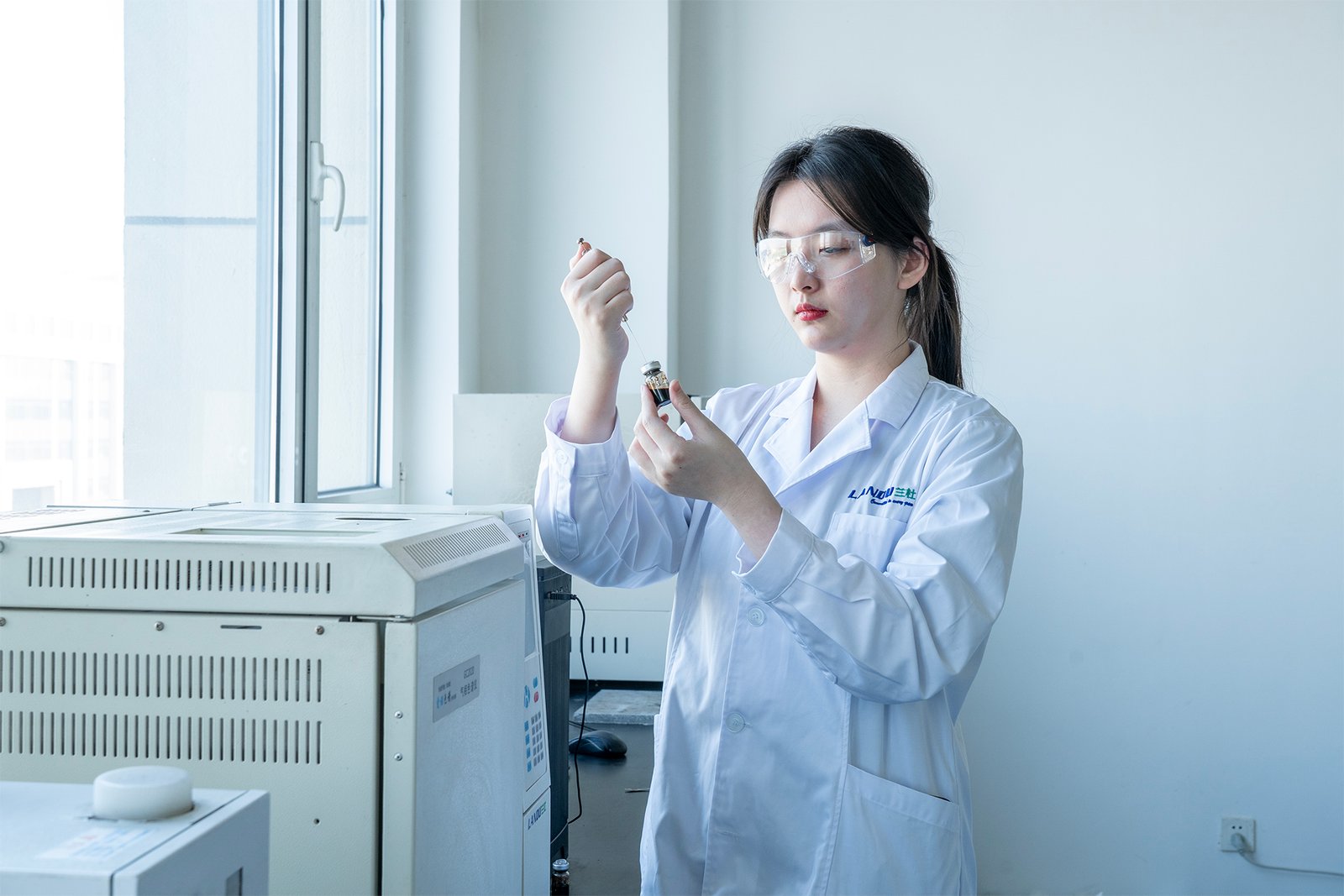
Research in surfactant and detergent science commonly reports that cellulose ether polymers at low concentrations (for example, roughly 0.1–0.5%) can contribute to rheology modification and anti-redeposition performance in liquid laundry systems — consistent with how detergent-grade cellulose ethers are positioned for formulated products. (Consult your technical team for study references relevant to your claims and region.)
Selecting the optimal grade depends on five formulation parameters. Matching these parameters helps you achieve target performance without over-engineering the system.
“The right laundry detergent additive is not the one with the highest viscosity grade — it is the one that matches your formulation's electrolyte environment, processing conditions, and performance claims.” — LANDU Application Engineering
Use LANDU's Recommended Grade Table and Application Guide to match parameters to the correct product direction before requesting samples or a quotation.

Share surfactant system, salt level, pH, viscosity target, and line conditions — LANDU application engineering can narrow grades quickly.
If your formulation needs better viscosity control, improved stability, stronger clarity, or more efficient cold-water processing — LANDU has the additive solution and technical expertise to help you move faster.
Limited sample quantities may apply for qualified manufacturers and formulators. LANDU's application team aims to respond to technical inquiries within 1 business day.
LANDU recommends detergent-grade HPMC as the primary additive for liquid laundry detergent formulations — supporting viscosity building, stabilization, clarity, electrolyte tolerance, and cold-water dispersibility in a single versatile direction.
HPMC helps create a structured polymer network that reduces filler settling, supports uniform viscosity over time, and resists phase separation during storage and transport — engineered for typical liquid laundry pH and temperature ranges.
Detergent-grade HPMC is engineered for fluid and semi-fluid home care formulations, including surface treatment for rapid cold-water dispersibility and reduced clumping — with clarity-oriented quality attributes compared with many industrial-grade options.
Yes — detergent-grade HPMC can be suitable for concentrated systems, including 2X and 3X concentrates, depending on surfactant load, salt level, and clarity targets. Grade selection should follow viscosity and appearance requirements.
LANDU cellulose-based products in home care detergent applications are documented to help reduce soil reattachment, supporting cleaning performance narratives tied to brightness after repeated washing.
Beyond HPMC, the portfolio includes HEMC/MHEC, HEC, and CMC — selection depends on formulation type, processing conditions, and performance targets, supported by LANDU's grade table and application guide.
Request a sample through LANDU's sample request flow or submit a technical inquiry with your formulation parameters. The team can confirm grade availability, quantity, and lead time — typically within 1 business day for qualified projects.