How Do You Build the Right Viscosity and Texture in a Body Wash?
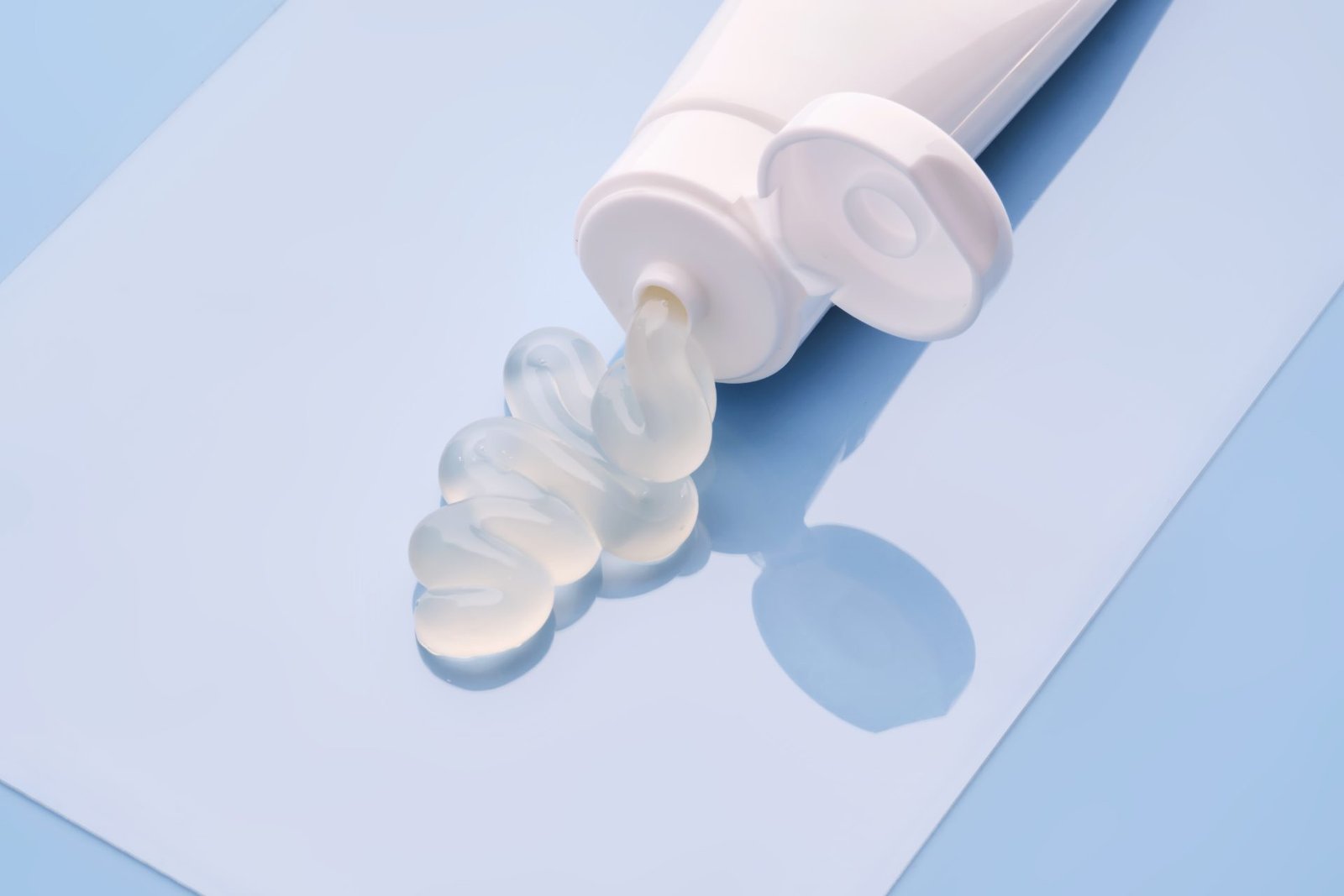
Body wash viscosity targets vary significantly by product format and market positioning. A lightweight daily cleansing gel might target 3,000–6,000 mPa·s for a fluid, easy-dispensing profile. A moisturizing body wash might target 8,000–15,000 mPa·s for a creamy, more substantial texture. A luxury shower cream or body scrub base might go higher still — 20,000+ mPa·s for a rich, indulgent feel that signals premium quality.
HEC is the primary recommendation for most body wash applications. At typical use levels of 0.3–1.5% by weight, LANDERCOLL HEC produces viscosity across the full range of body wash targets, with a smooth pseudoplastic flow profile that's well-suited to the dispensing and application requirements of the category. The pseudoplastic behavior — viscosity drops under shear during dispensing and application, recovers at rest — is what gives a well-formulated body wash its characteristic smooth, controlled pour and easy lather spread.
HPMC is a strong supporting option where stronger product body, richer texture, or specific film-forming behavior is required. At equivalent use levels, HPMC tends toward a slightly more structured feel compared to HEC — which makes it particularly relevant for creamy body wash formats or shower cream products where a more substantial texture is part of the premium positioning.
HEMC/MHEC rounds out the selection with enhanced thermal stability — useful for body wash products targeting warm-climate markets or distributed through supply chains with significant temperature variation.