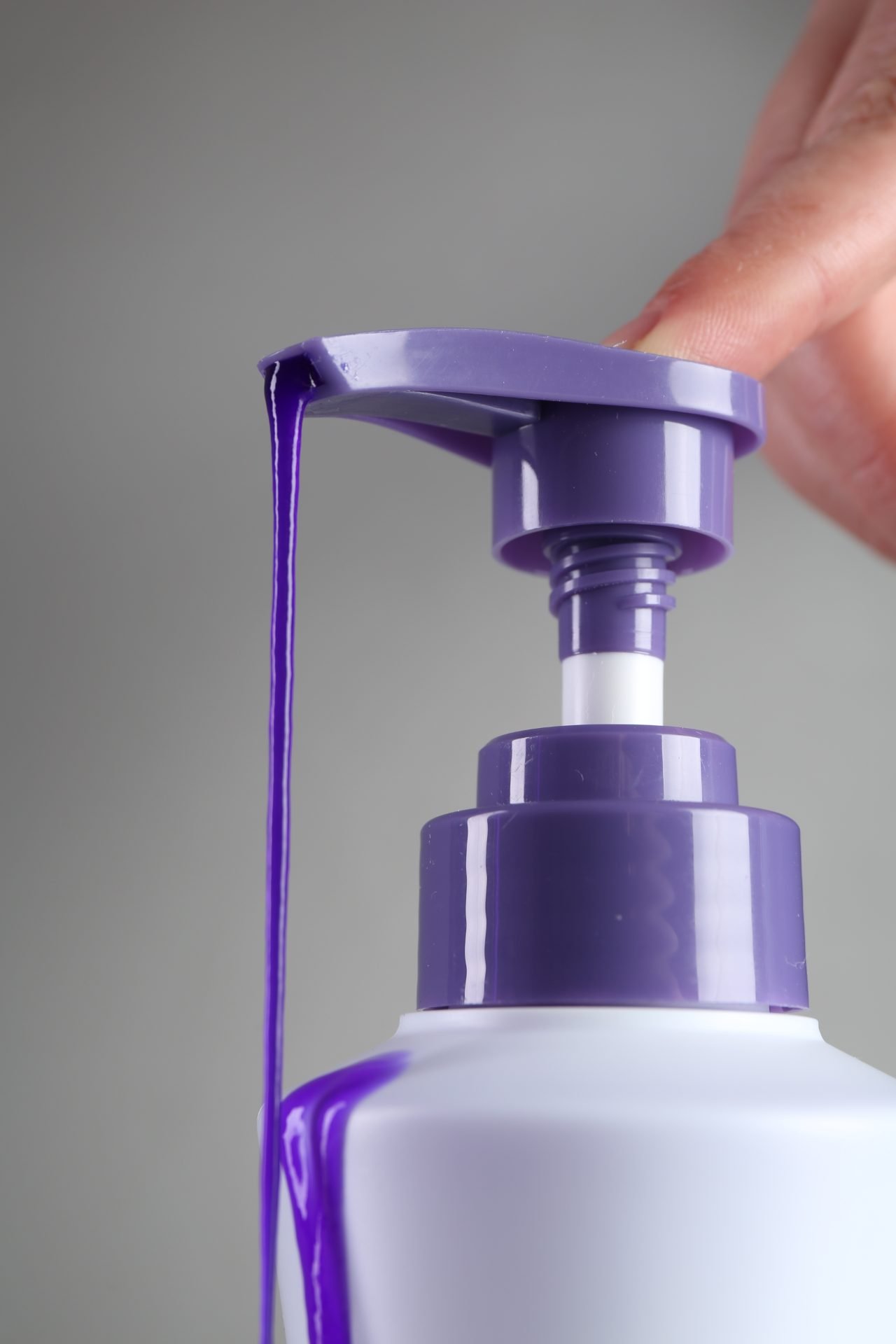
Facial cleansers occupy a uniquely demanding position in the personal care category. They're used twice daily, directly on the most sensitive and visible skin on the body, and consumers have strong opinions about every sensory detail. The way a cleanser dispenses from the pump or tube. Whether it foams immediately or requires working in. How it feels on wet skin — slippery, cushioned, or slightly draggy. Whether it rinses completely clean or leaves a film. How the skin feels 30 seconds after rinsing.
All of that happens in under 60 seconds, twice a day, every day. And every sensory detail is a formulation decision.
The challenge for facial cleanser formulators is that you're working in a high-surfactant system that has to cleanse effectively, feel gentle enough for facial skin, look appealing in the package, and stay stable for 18–24 months — all while delivering the specific texture profile that matches your product's market positioning. A foaming gel cleanser, a cream cleanser, a micellar gel, and a balm-to-milk cleanser each require a completely different rheology approach. And the thickener you choose determines whether you hit that target or spend months reformulating.
LANDU's HEC, HPMC, and HEMC/MHEC from the LANDERCOLL personal care portfolio give facial cleanser formulators a complete and flexible selection framework. Each product brings a different combination of viscosity profile, texture contribution, compatibility characteristics, and processing behavior — and LANDU's technical team supports the grade selection conversation with free samples and formulation guidance tailored to your specific cleanser format.