Why Does Toothpaste Formulation Require a Dedicated Additive System?
Most daily chemical applications can be addressed with a general-purpose cellulose ether thickener. Toothpaste can't. The reason comes down to the fundamental nature of the system.
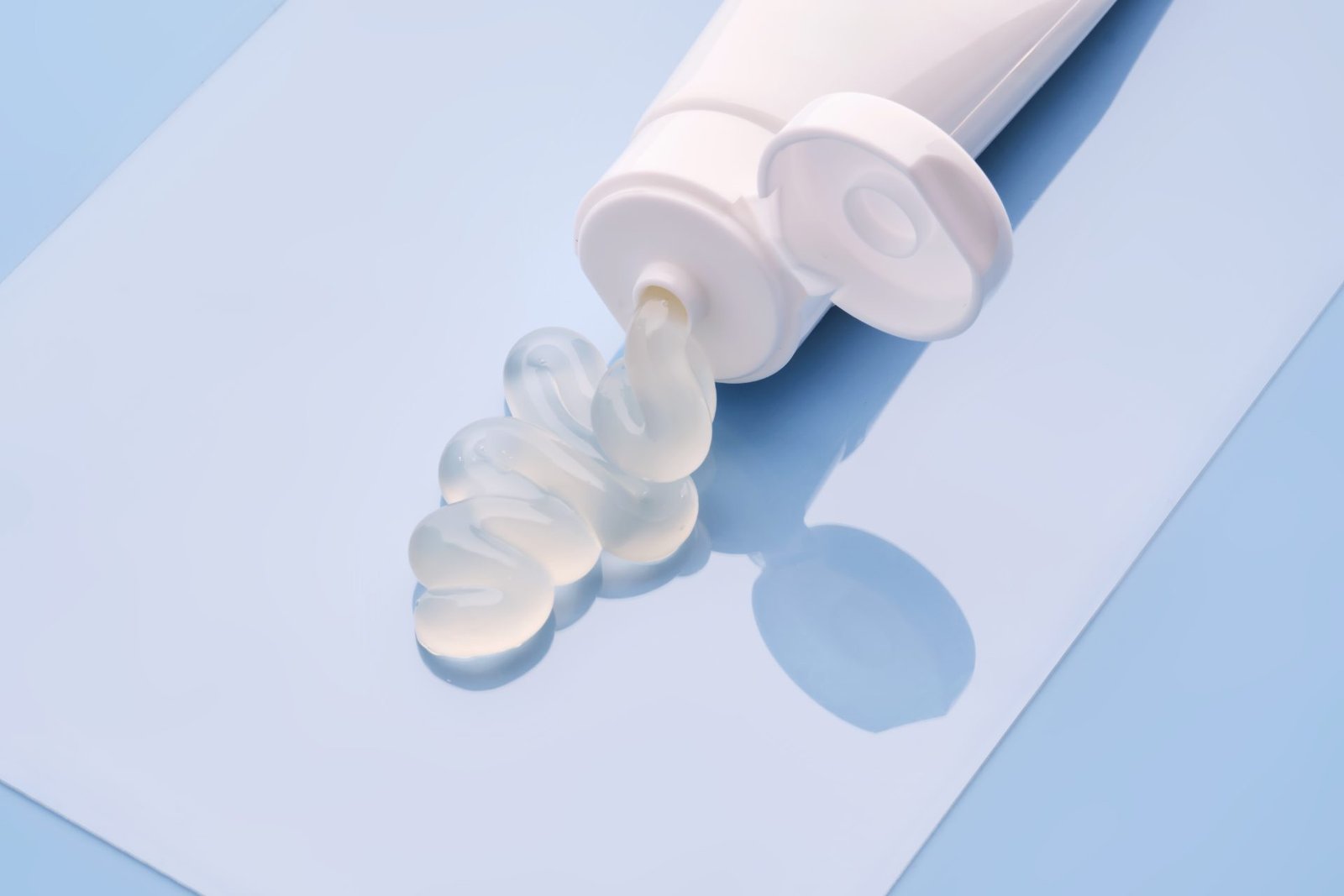
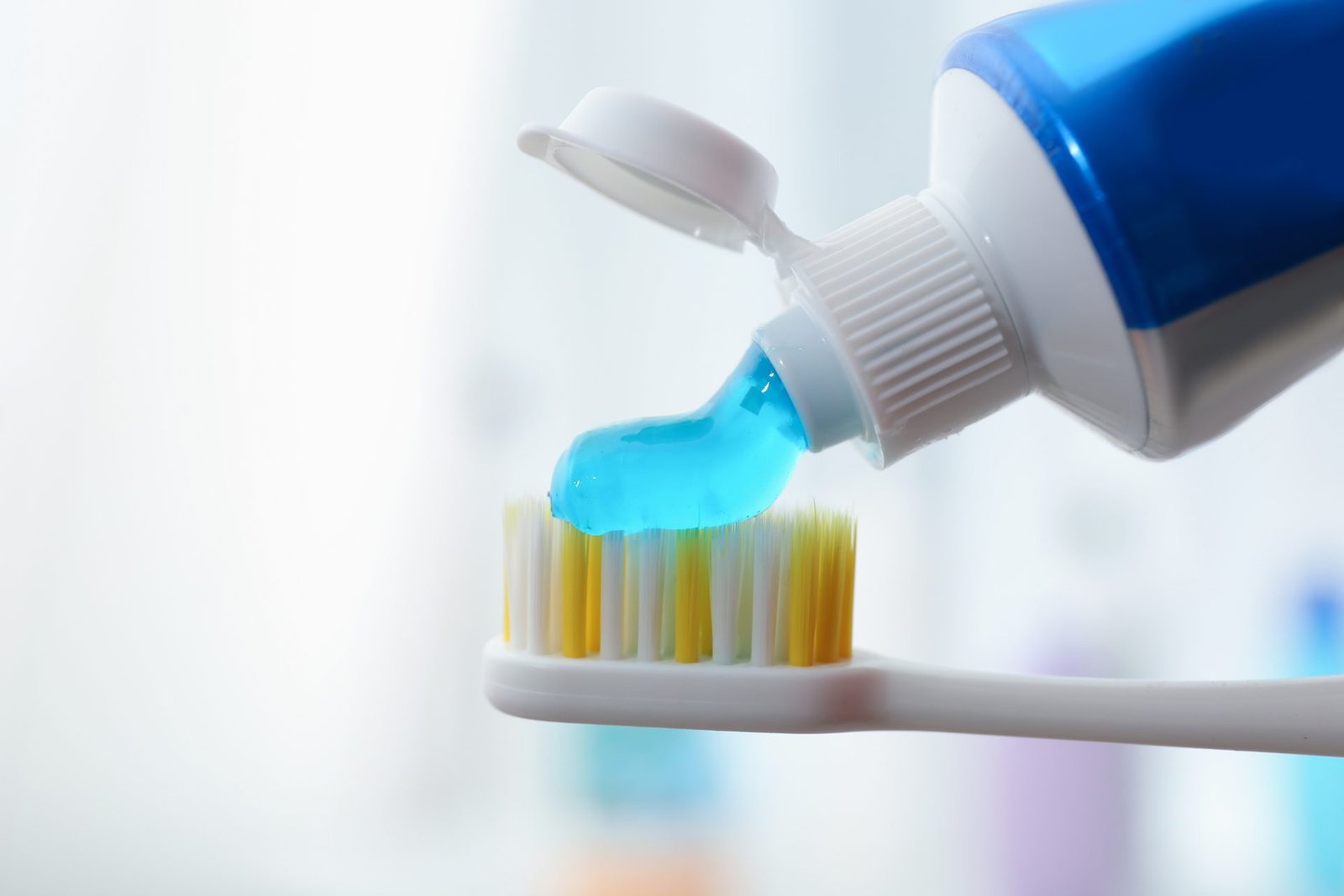
A toothpaste is a concentrated semi-solid paste — typically 20–40% abrasive solids by weight, combined with humectants, surfactants, fluoride actives, flavoring agents, and preservatives, all held together in a structured matrix that has to behave like a solid at rest and a fluid under shear. The rheology requirements are specific, demanding, and unforgiving. Too little structure and the paste separates in the tube. Too much and it won't dispense cleanly or spread on the brush. The wrong moisture balance and the paste dries out or becomes syrupy over time.
That's why LANDU treats toothpaste as a dedicated application with its own specialized product family — not as a variant of general personal care thickening.
Look — the commercial stakes in toothpaste formulation are high. A paste that separates in the tube, dispenses inconsistently, or feels gritty or slimy during brushing doesn't survive in a competitive retail environment. Getting the additive system right isn't optional. It's the foundation of the product.