LANDU oral care · rheology systems

Toothpaste Rheology System — Paste Structure, Stability & Brushing Performance

A toothpaste rheology system is the combination of formulation logic and additive support used to control paste structure, consistency, flow behavior, moisture balance, and brushing performance across the full product lifecycle. For oral care formulators, getting this system right is the difference between a product that performs consistently on shelf and one that separates, dispenses poorly, or fails consumer acceptance testing.

LANDU's dedicated oral care additive portfolio — built around CMC as the structural foundation and a specialized Toothpaste Rheology Additives family including NCC/NC, MCC/MC, and L-HPC/PC — gives formulators a technically complete system path from basic paste consistency to advanced rheology engineering.

  1. StructurePaste body and internal structure that resists settling and separation during storage
  2. YieldYield stress high enough to hold a clean ribbon shape on the brush after dispensing
  3. FlowShear-thinning flow that allows clean, controlled dispensing under moderate tube pressure
  4. MoistureMoisture balance that prevents drying, syneresis, or texture drift across 18–24 months of shelf life
  5. Brush feelA smooth, controlled brushing feel that drives consumer repurchase

If any one of these is out of balance, the formula fails — commercially if not technically. That's why toothpaste demands a system approach, not a product-by-product one.

“In toothpaste formulations, CMC is far more than just a thickener — it is a vital rheology modifier and binder. The primary challenge in toothpaste development is building a paste system that holds structure at rest, flows cleanly under dispensing pressure, and transitions smoothly during brushing. A single-ingredient approach rarely delivers all three.”

— Oral Care Formulation Technical Review, 2024

What Is a Toothpaste Rheology System — and Why Does It Matter?

A toothpaste rheology system is not a single ingredient. It's a coordinated set of additive functions that together control how the paste behaves at every stage — from tube filling at the factory to the final rinse in the consumer's mouth.

Here's the thing: most formulators approaching toothpaste for the first time treat it like a thickened liquid personal care product. That's the wrong mental model entirely. Toothpaste is a semi-solid paste system — typically containing 20–40% abrasive solids by weight — that has to simultaneously behave like a solid at rest and a fluid under shear. No single thickener handles that combination reliably.

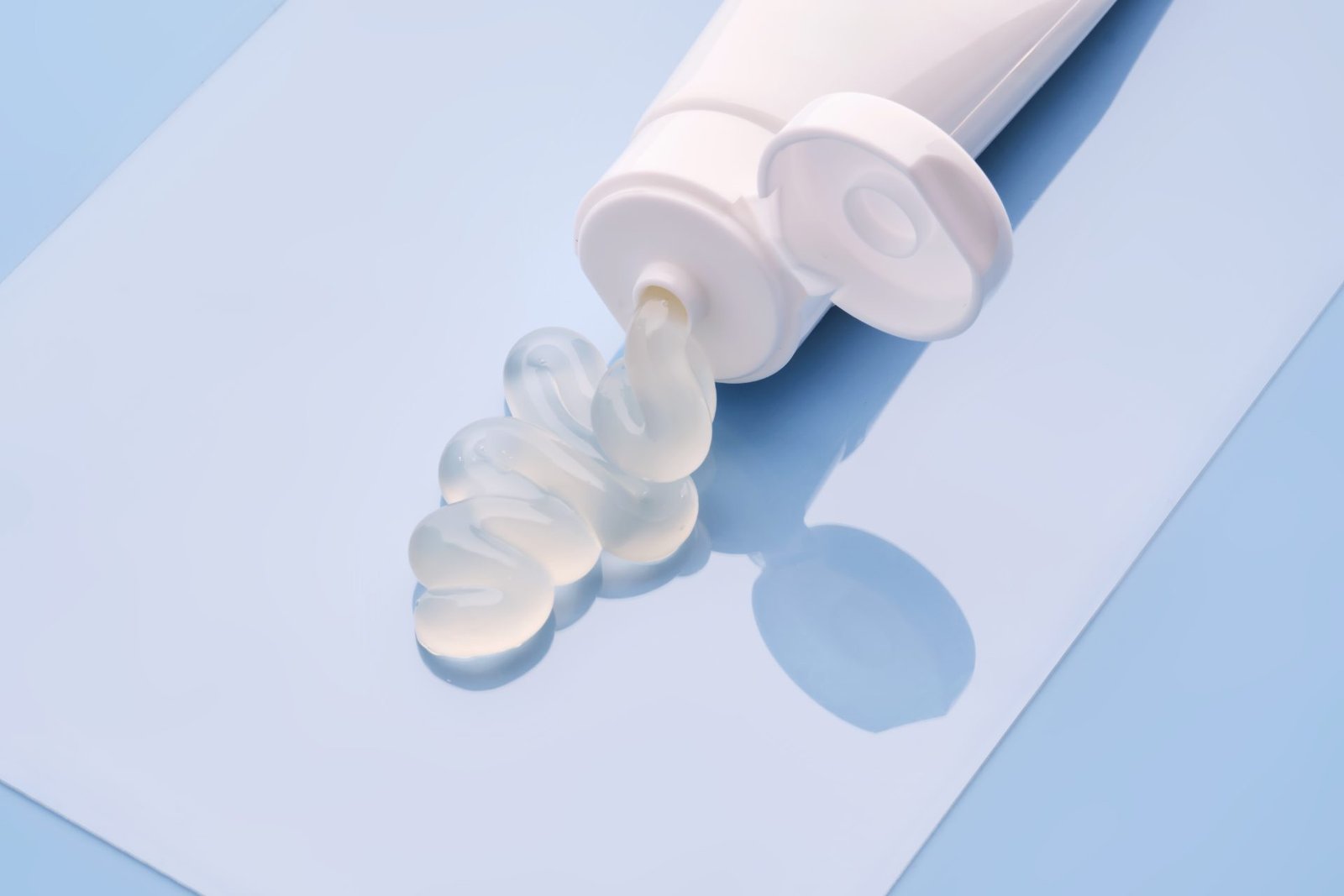
Redlemon Tube Of Clear Gel On Blue Background 2026 03 24 12 59 38 Utc Compressed

Why Can't You Just Use a General-Purpose Thickener in Toothpaste?

Honestly, this is one of the most common formulation mistakes in oral care development. A thickener that performs well in a shampoo, body wash, or even a facial cleanser will almost certainly underperform in a toothpaste system — and the failure modes are specific and predictable.

General-purpose cellulose ether thickeners are designed for aqueous liquid systems. They build viscosity effectively, but they don't deliver the yield stress profile that toothpaste requires. Without adequate yield stress, the paste slumps on the brush, dispenses inconsistently, and may show phase separation in the tube over time.

Toothpaste also operates in a chemically complex environment — high abrasive loading, fluoride actives, surfactant systems, humectant packages, and flavoring agents all interact with the rheology additive system. A thickener that's not specifically selected for oral care compatibility may show viscosity drift, incompatibility with fluoride, or sensory issues during brushing that no amount of formulation adjustment can fully correct.
Research on CMC and cellulose nanocrystal (CNC) combinations in aqueous systems confirms that the rheological behavior of mixed cellulose systems is significantly more complex than single-component systems — and that the interaction between CMC molecular weight, CNC concentration, and shear rate produces rheology profiles that can be precisely tuned for specific application requirements. This is exactly the scientific basis for LANDU's multi-component Toothpaste Rheology System approach.

What Are the Core Performance Requirements of a Toothpaste Rheology System?

The sections below map each requirement to the additive roles in LANDU's system portfolio.

Landu Sodium Carboxymethyl Cellulose Sample

How Do You Build Stable Paste Structure That Lasts Through Shelf Life?

Paste structure is the foundational requirement — everything else depends on it. The paste needs to maintain a stable, uniform internal matrix from tube filling through to the last portion the consumer uses. That means resisting abrasive particle settling, preventing phase separation between the aqueous and solid phases, and maintaining consistent density and texture throughout the tube.

CMC — carboxymethyl cellulose — is the primary structure-building agent in toothpaste. At typical use levels of 0.5–2.0% by weight, LANDU CMC forms a gel network in the aqueous phase that binds water, suspends abrasive particles, and creates the cohesive paste body that gives toothpaste its characteristic consistency. The specific CMC grade — determined by degree of substitution and molecular weight — controls the viscosity level, gel strength, and flow behavior of the finished paste.

Higher molecular weight CMC grades produce more viscous, structured pastes suited to premium whitening and sensitivity formats. Lower molecular weight grades produce more fluid pastes suited to gel-format and natural toothpaste variants. Grade selection is one of the most impactful single decisions in toothpaste formulation — and it's where LANDU's technical team adds the most immediate value.

How Do You Control Dispensing Behavior and Brush Loading?

Toothpaste dispensing is a two-stage rheology problem. The paste has to flow freely enough under moderate hand-squeezing pressure to dispense in a clean, controlled ribbon — but once on the brush, it has to hold that shape and not slump or spread before it reaches the mouth. These two requirements are in direct tension, and resolving that tension is what separates a well-formulated toothpaste from a mediocre one.

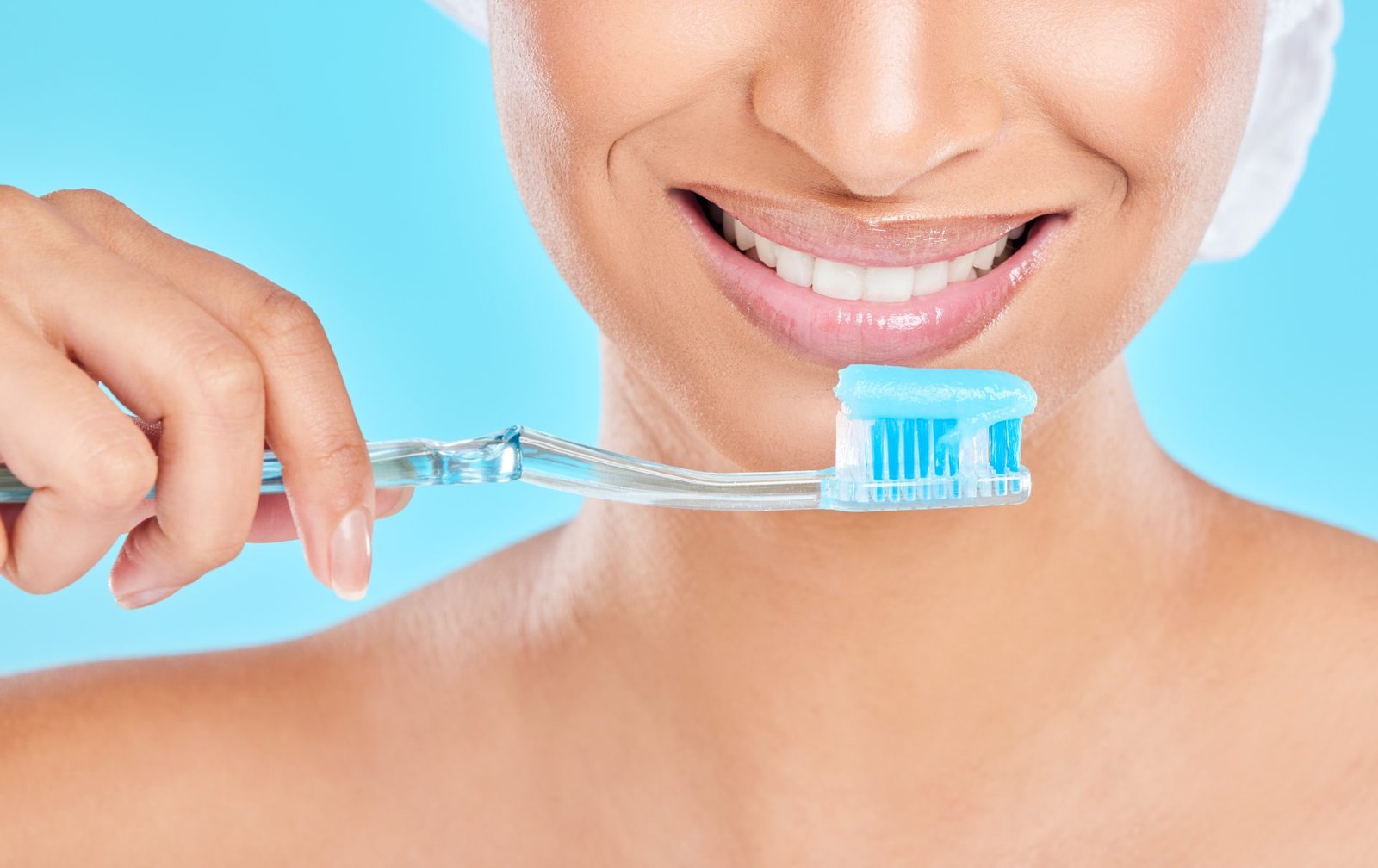
Redlemon Studio Shot Of An Unrecognizable Young Woman Brush 2026 01 09 11 39 55 Utc Compressed
Redlemon Dental Hygiene Tools On Reflective Surface 2026 03 24 01 28 51 Utc Compressed

The solution is a well-designed yield stress and shear-thinning profile — classic thixotropic behavior. The paste needs a yield stress threshold that it maintains at rest, but a viscosity that drops rapidly under the shear of dispensing and recovers quickly once shear is removed.

NCC/NC (nanocrystalline cellulose / nanocellulose) is specifically engineered to deliver this profile. Research on CMC-CNC combined systems confirms that nanocellulose contributes a distinctive strong yield stress at low shear rates combined with rapid viscosity recovery after shear — giving toothpaste formulas a clean, defined ribbon on dispensing and excellent brush-loading behavior. This is a rheology contribution that CMC alone, regardless of grade, cannot fully replicate.

MCC/MC (microcrystalline cellulose / methylcellulose) adds structural reinforcement to the paste matrix — contributing to paste body and firmness while supporting consistent dispensing behavior throughout the tube life. MCC is particularly relevant in abrasive-heavy toothpaste systems where particle suspension and paste body are critical formulation requirements.

How Do You Maintain Moisture Balance Across the Full Shelf Life?

Moisture management is one of the most technically specific challenges in toothpaste formulation — and one that's consistently underestimated by formulators coming from liquid personal care backgrounds. A paste that loses moisture becomes crumbly or grainy. One that gains moisture softens, loses structure, and may show syneresis. The paste has to maintain its moisture balance through temperature cycling, humidity variation, and the gradual moisture exchange that occurs through tube walls and closures over 18–24 months.

CMC's carboxymethyl groups interact with water molecules in the aqueous phase, helping to retain moisture within the paste matrix and resist the moisture migration that causes texture degradation over time. This water-binding contribution is one of the core reasons CMC has been the dominant toothpaste thickener for decades — it simultaneously builds structure and manages moisture.

L-HPC/PC (low-substituted hydroxypropyl cellulose / propyl cellulose) adds a complementary moisture management dimension — contributing to the paste's ability to maintain consistent texture and performance across the humidity and temperature variations that occur during global storage and distribution. In accelerated stability testing at 40°C/75% RH, toothpaste systems using CMC with L-HPC/PC moisture support show significantly reduced syneresis compared to CMC-only systems.

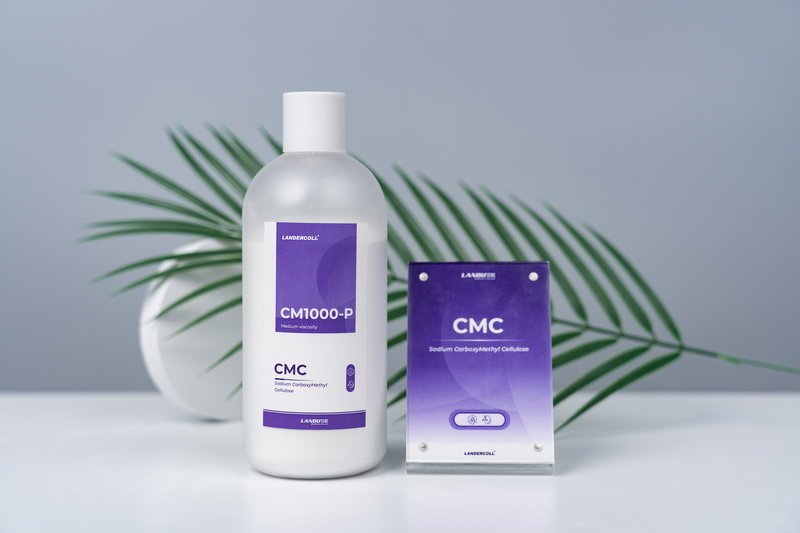
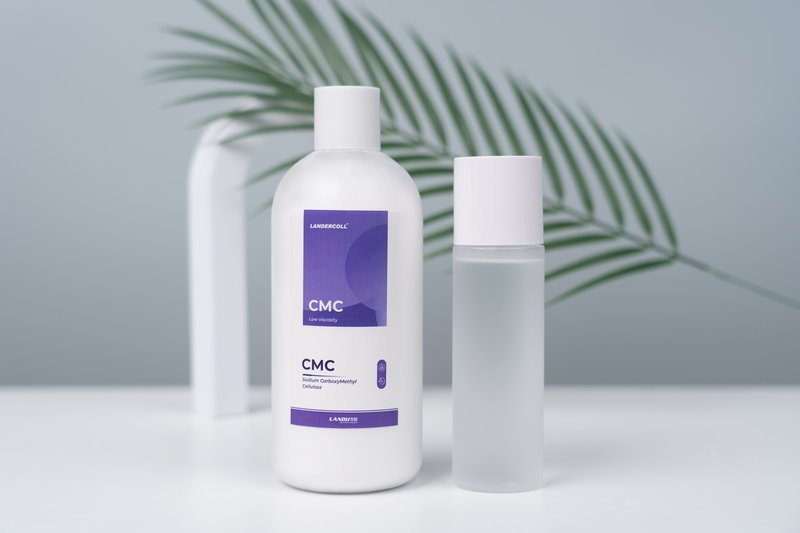
Sodium Carboxymethyl Cellulose LANDERCOLL Powder
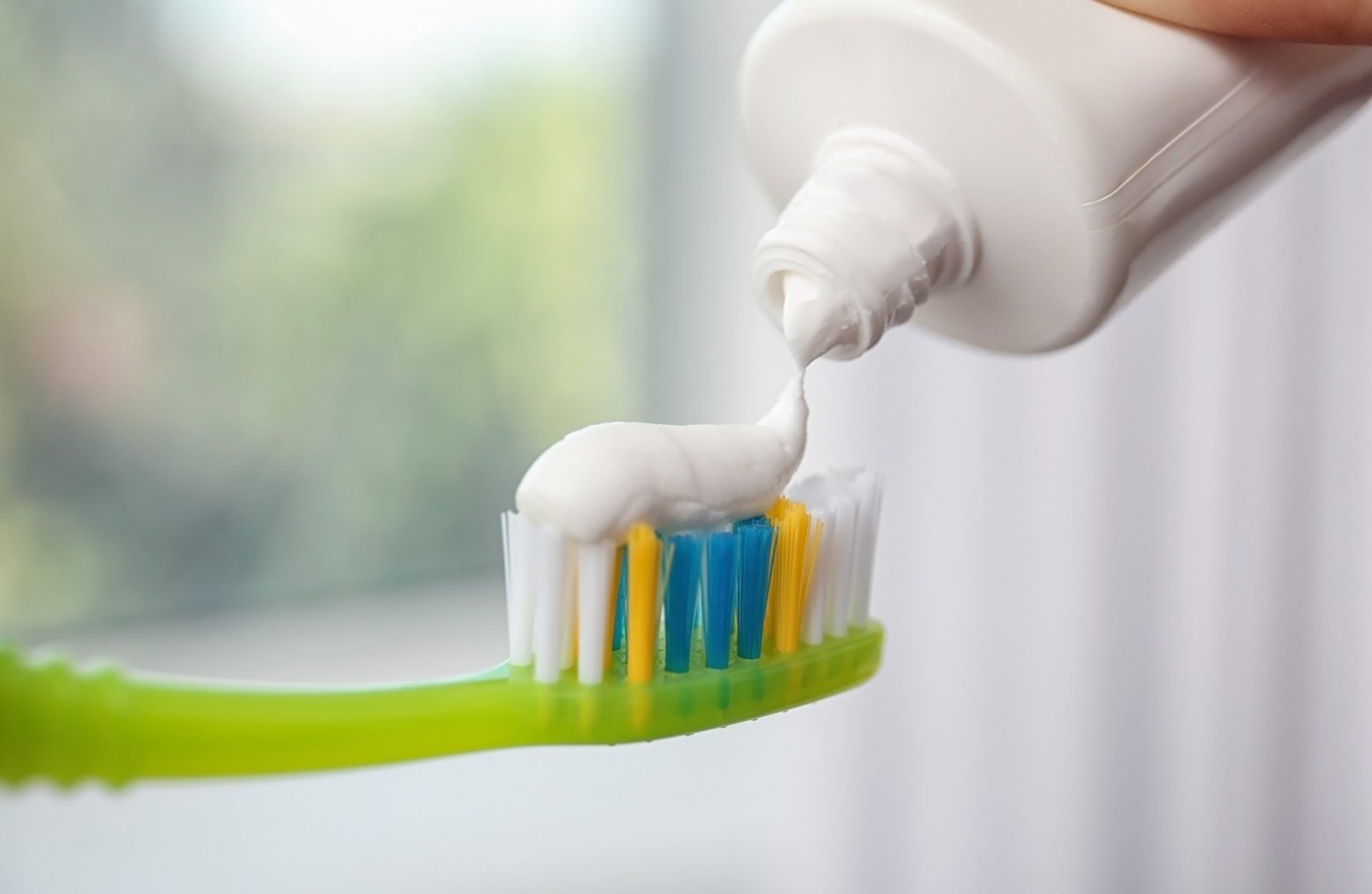
Redlemon Applying Paste On Toothbrush Against Blurred Backg 2026 03 05 11 49 56 Utc Compressed

How Do You Deliver a Brushing Experience That Drives Consumer Repurchase?

The brushing experience is the consumer-facing performance metric that determines commercial success. A paste that feels gritty, slimy, or leaves a coating after rinsing gets one trial. A paste that brushes smoothly, foams appropriately, and rinses cleanly drives daily repurchase for years. That's not a marketing observation — it's a formulation reality that every oral care brand manager understands.

The rheology additive system directly controls the sensory quality of the brushing experience. During brushing, the paste transitions from a structured semi-solid to a fluid under toothbrush shear. The smoothness of this transition — whether it feels abrupt and gritty or smooth and progressive — is controlled by the flow profile of the additive system.

NCC/NC's contribution to brushing sensory performance is particularly notable. The nanocellulose network in the paste matrix provides a smooth, lubricious feel during brushing that consumers consistently rate as a premium sensory experience — a commercially meaningful differentiation from standard CMC-only formulations.

Which LANDU Products Form the Toothpaste Rheology System?

ProductPrimary FunctionKey Formulation Benefit
CMCPrimary thickener, gel network, moisture retentionPaste structure; abrasive suspension; water binding; oral care compatibility
NCC / NCYield stress control, rheology modifierClean ribbon dispensing; smooth brushing feel; rapid viscosity recovery
MCC / MCStructural reinforcement, particle suspensionPaste body; consistent dispensing; abrasive-heavy system stability
L-HPC / PCMoisture management, texture stabilityReduced syneresis; consistent texture across temperature and humidity range

For most toothpaste applications, CMC is the formulation starting point. The dedicated Toothpaste Rheology Additives — NCC/NC, MCC/MC, and L-HPC/PC — provide the specialized functional layers that premium formulations require. The right combination depends on your paste format, rheology target, abrasive system, and market positioning.

What Does a System Approach Actually Deliver — Before and After?

Paste stability

A toothpaste relying on a single CMC grade without rheology additive support may show abrasive particle settling of 5–10% by volume after 6 months at elevated temperature. With MCC/MC structural reinforcement added to the system, the same formula maintains uniform particle distribution throughout the target shelf life.

Dispensing consistency

Standard CMC-only formulations often show inconsistent dispensing — the first portion from a new tube dispenses differently from the last as the paste compresses and tube geometry changes. A properly designed CMC + NCC/NC system maintains more consistent dispensing force and ribbon shape throughout the tube life.

Moisture stability

Toothpaste systems using CMC with L-HPC/PC moisture management support show significantly reduced syneresis during accelerated storage testing compared to CMC-only systems — a direct improvement in shelf life performance and consumer experience.

Brushing feel

Consumer panel testing on toothpaste formulas consistently shows preference for NCC/NC-containing systems on smoothness during brushing and cleanliness after rinsing — a competitive advantage in premium oral care positioning.

LANDU operates three production facilities with a combined annual capacity of 75,000 tons. The LANDERCOLL cellulose ether range is ISO 9001 certified and EU REACH compliant, with 500+ manufacturing partners across 60+ countries relying on LANDU's oral care and daily chemical additive portfolio.

Who Is the LANDU Toothpaste Rheology System Designed For?

This system is built for the people who actually have to make toothpaste work — not just on paper, but in production, in distribution, and on the consumer's bathroom shelf. That includes:

  • Toothpaste manufacturers developing new SKUs or reformulating existing products
  • Oral care formulators working on premium, natural, whitening, or sensitivity variants
  • Product development teams evaluating additive systems for new market entry
  • Purchasing managers and sourcing teams comparing supplier technical capabilities
  • Contract manufacturers and private-label businesses building flexible formulation platforms
  • Distributors supporting oral care customers with technical formulation guidance

If you're developing or sourcing additives for a toothpaste system, this is the right starting point — not a single product page, but a complete system overview that connects your formulation requirements to the right product combination.

DSC3873 拷贝 Landu Sales Consultant Meeting

How Do You Start Building the Right Toothpaste Rheology System?

The right system configuration depends on your specific parameters. There's no universal answer — a premium whitening paste targeting a European retail market has different rheology requirements than a fluoride-free natural paste for a North American specialty channel or a high-abrasive whitening formula for a Southeast Asian mass market. The formulation logic is the same; the product combination and grade selection are different.

LANDU's technical team provides:

  • Grade recommendations based on your target paste format and rheology profile
  • System combination guidance — which products to combine and at what use levels
  • Free samples with detailed technical process reports for performance validation in your own system
  • Formulation support through the development and scale-up process
  • Commercial quotation once the technical direction is confirmed

Start with a technical inquiry. Tell us your paste format, your target rheology, your abrasive system, and your shelf life requirements. We'll give you a specific product direction — not a general catalog.

Need a Better Rheology System for Your Toothpaste Formula?

If your toothpaste formulation needs better paste structure, more consistent dispensing, improved moisture stability, a smoother brushing experience, or stronger shelf life performance — LANDU has the product combination and technical expertise to help you get there.

500+ manufacturers across 60+ countries already trust LANDU's oral care additive portfolio. Start with a sample, a grade recommendation, or a direct technical inquiry. Our team responds fast.

Frequently Asked Questions About the Toothpaste Rheology System

What is a toothpaste rheology system?

A toothpaste rheology system is the coordinated combination of formulation logic and additive support used to control paste structure, consistency, flow behavior, moisture balance, and brushing performance across the full product lifecycle — from tube filling at the factory to the consumer's daily use. It's a system approach, not a single-ingredient solution, because toothpaste performance depends on multiple additive functions working together simultaneously.

Why does toothpaste need a system approach rather than a single additive?

Toothpaste is a concentrated semi-solid paste with five distinct and simultaneous performance requirements: structural stability at rest, controlled shear-thinning flow under dispensing pressure, abrasive particle suspension, moisture retention across 18–24 months of shelf life, and a smooth brushing feel. No single additive addresses all five. A system approach — combining CMC with specialized rheology additives like NCC/NC, MCC/MC, and L-HPC/PC — is the only reliable way to meet all requirements in a commercial formulation.

Which products are part of LANDU's Toothpaste Rheology System?

The system is built around CMC as the foundational thickener and structure-building agent, supported by the dedicated Toothpaste Rheology Additives family: NCC/NC for yield stress control and brushing feel, MCC/MC for structural reinforcement and particle suspension, and L-HPC/PC for moisture management and texture stability. The right combination depends on your specific paste format, rheology target, and market positioning.

What is the difference between CMC and the dedicated Toothpaste Rheology Additives?

CMC is the primary thickener — it builds the gel network that holds the paste matrix together, suspends abrasive particles, and manages moisture retention. The dedicated Toothpaste Rheology Additives — NCC/NC, MCC/MC, and L-HPC/PC — provide specialized functional layers that CMC alone can't deliver: precise yield stress control, structural reinforcement in high-abrasive systems, and enhanced moisture stability. Most premium toothpaste formulas use CMC in combination with one or more of these specialized additives.

How does NCC/NC improve toothpaste dispensing and brushing performance?

NCC/NC contributes a strong yield stress at low shear rates combined with rapid viscosity recovery after shear — giving toothpaste a clean, defined ribbon shape on dispensing and excellent brush-loading behavior. During brushing, the nanocellulose network provides a smooth, lubricious feel that consumers consistently rate as a premium sensory experience. Research on CMC-CNC combined systems confirms this distinctive rheology profile is specific to nanocellulose and cannot be replicated by CMC grade adjustment alone.

Who should use the LANDU Toothpaste Rheology System?

The system is designed for toothpaste manufacturers, oral care formulators, product development teams, purchasing managers, contract manufacturers, private-label businesses, and distributors who need a technically complete oral care additive solution. If you're developing or sourcing additives for any toothpaste format — standard, whitening, sensitivity, natural, or fluoride-free — LANDU's system approach gives you a more direct and technically grounded path to product selection and formulation support.

How do I get started with LANDU's Toothpaste Rheology System?

Submit a technical inquiry with your paste format, target rheology profile, abrasive system, humectant package, and shelf life requirements. LANDU's technical team will provide specific grade recommendations, system combination guidance, free samples with detailed technical process reports, and commercial quotation — no commitment required to begin the technical conversation.