Toothpaste Formulation Additives — Rheology, Paste Structure & Consistency Solutions

Redlemon I Brush Three Times A Day Portrait Of An Attracti 2026 03 25 01 48 48 Utc Compressed
Redlemon Woman Smiling While Brushing Her Teeth In Bathroom 2026 01 09 09 24 18 Utc Compressed
Redlemon Toothbrush With Toothpaste On Background With Dent 2026 01 09 07 28 55 Utc Compressed
Redlemon Tube Of Clear Gel On Blue Background 2026 03 24 12 59 38 Utc Compressed

Toothpaste is one of the most technically demanding formulations in the entire daily chemical industry. That's not an overstatement — it's a formulation reality that anyone who's spent time developing oral care products understands immediately. You're working with a semi-solid paste system that has to survive tube filling at the factory, survive 18–24 months in a tube under pressure, dispense in a clean ribbon that holds its shape on the brush, and then transition from a structured paste to a smooth, comfortable fluid during brushing — all without separating, drying out, or changing texture.

No other personal care or home care application demands that combination of structural stability, controlled flow, and sensory performance simultaneously. A body wash thickener that performs beautifully in a liquid surfactant system will fail completely in a toothpaste. A paint thickener that works in a high-solids coating has no place in an oral care formula. Toothpaste needs its own dedicated additive system — and that's exactly what LANDU provides.

LANDU's toothpaste formulation additive portfolio covers the complete range of oral care rheology requirements. CMC is the foundational thickener for paste structure and moisture retention. The dedicated Toothpaste Rheology Additives family — including NCC/NC, MCC/MC, and L-HPC/PC — provides the specialized functional layers that premium toothpaste formulations require. Together, they give oral care formulators a technically complete solution path from basic paste consistency to advanced rheology engineering.

“Toothpaste formulation is fundamentally different from every other daily chemical application. The paste has to maintain structural integrity under the mechanical stress of tube filling and dispensing, hold a clean ribbon shape on the brush, and transition smoothly to a fluid during brushing — all within a tightly controlled moisture balance. LANDU's CMC and dedicated Toothpaste Rheology Additives are specifically engineered for the unique demands of oral care paste systems.”

— LANDU Technical Team, LANDERCOLL Application Series

Why Does Toothpaste Formulation Require a Dedicated Additive System?

Most daily chemical applications can be addressed with a general-purpose cellulose ether thickener. Toothpaste can't. The reason comes down to the fundamental nature of the system.

A toothpaste is a concentrated semi-solid paste — typically 20–40% abrasive solids by weight, combined with humectants, surfactants, fluoride actives, flavoring agents, and preservatives, all held together in a structured matrix that has to behave like a solid at rest and a fluid under shear. The rheology requirements are specific, demanding, and unforgiving. Too little structure and the paste separates in the tube. Too much and it won't dispense cleanly or spread on the brush. The wrong moisture balance and the paste dries out or becomes syrupy over time.

That's why LANDU treats toothpaste as a dedicated application with its own specialized product family — not as a variant of general personal care thickening.

Look — the commercial stakes in toothpaste formulation are high. A paste that separates in the tube, dispenses inconsistently, or feels gritty or slimy during brushing doesn't survive in a competitive retail environment. Getting the additive system right isn't optional. It's the foundation of the product.


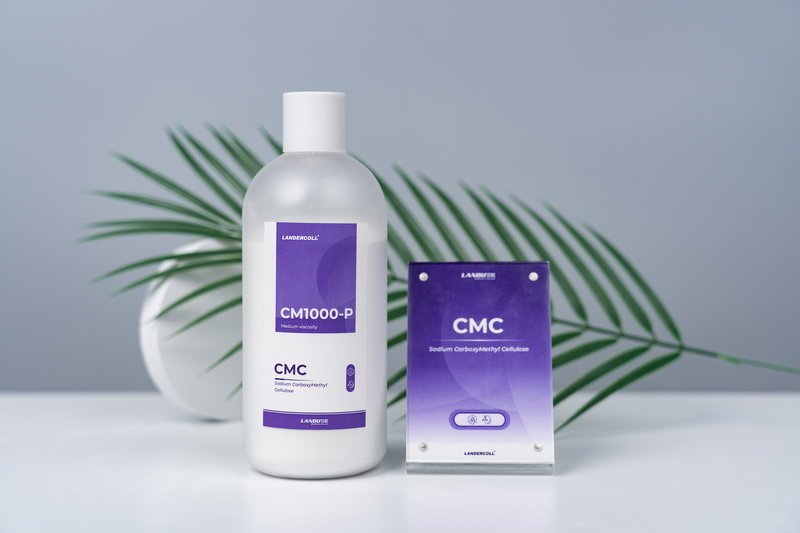
Sodium Carboxymethyl Cellulose LANDERCOLL Powder
Redlemon Toothbrush With Blue Toothpaste Ready To Clean 2026 03 27 00 52 23 Utc Compressed

USD 21.3B 2024

USD 29.8B 2030

Grand View Research, 2025 — premium formats — whitening, sensitivity, natural and fluoride-free variants — growing at above-average rates. Premium toothpaste positioning is built on consistent paste quality and brushing experience, both of which depend entirely on the additive system.

What Does a High-Performance Toothpaste Formulation Actually Need?

  • Tube & fill integrity
  • Ribbon & brush loading
  • Moisture balance
  • Brush-down fluidization

How Do You Build the Right Paste Structure and Consistency?

Toothpaste paste structure is the foundational formulation requirement — everything else depends on getting this right. The paste needs to maintain a stable, uniform internal structure from the moment it's filled into the tube to the moment the consumer squeezes out the last portion. That means resisting the separation of abrasive particles from the aqueous phase, maintaining consistent density and texture throughout the tube, and holding its structure under the mechanical stress of transport and handling.

CMC — carboxymethyl cellulose — is the primary thickener and structure-building agent in toothpaste formulation. At typical use levels of 0.5–2.0% by weight, LANDU CMC builds the gel network that holds the toothpaste matrix together. It binds the aqueous phase, suspends abrasive particles, and creates the cohesive paste structure that gives toothpaste its characteristic body and consistency.

The specific CMC grade — determined by degree of substitution and molecular weight — controls the viscosity level, the gel strength, and the flow behavior of the finished paste. Higher molecular weight grades produce more viscous, structured pastes suitable for premium and whitening formats. Lower molecular weight grades produce more fluid pastes suitable for gel-format toothpastes and sensitive-formula variants. LANDU's technical team supports CMC grade selection with specific recommendations based on your target paste format and rheology profile.

Redlemon Smiling Young Woman Brushing Her Teeth Indoors 2026 01 09 09 37 04 Utc Compressed

How Do You Control Toothpaste Rheology for Dispensing and Brush Loading?

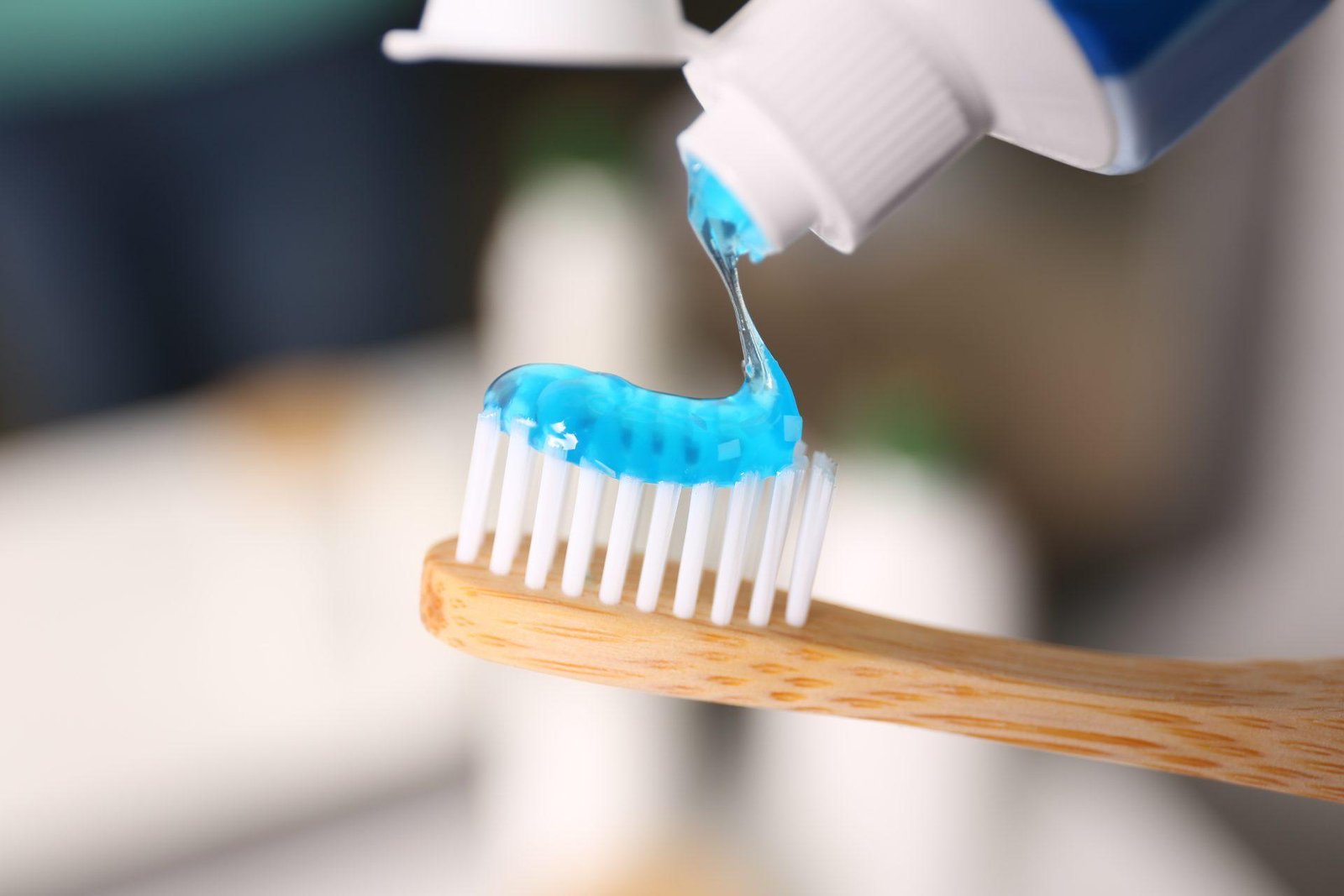
Toothpaste rheology is a two-stage requirement. First, the paste has to dispense cleanly from the tube under the moderate hand pressure of squeezing — flowing freely enough to come out in a controlled ribbon without requiring excessive force. Second, once on the brush, it has to hold its shape and stay in place during the transfer from tube to mouth. These two requirements are in direct tension: a paste that flows easily under tube-squeezing pressure tends to slump on the brush; a paste that holds a clean ribbon shape tends to require more force to dispense.

The solution is a well-designed yield stress and shear-thinning profile. The paste needs a yield stress high enough to hold its shape on the brush at rest, but a viscosity that drops quickly under the shear of dispensing. This is a classic thixotropic behavior — and it's what LANDU's dedicated Toothpaste Rheology Additives are specifically engineered to deliver.

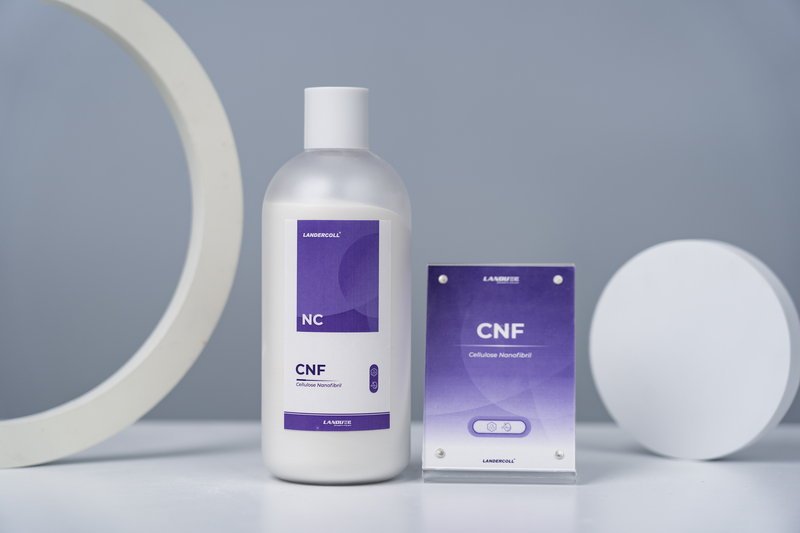
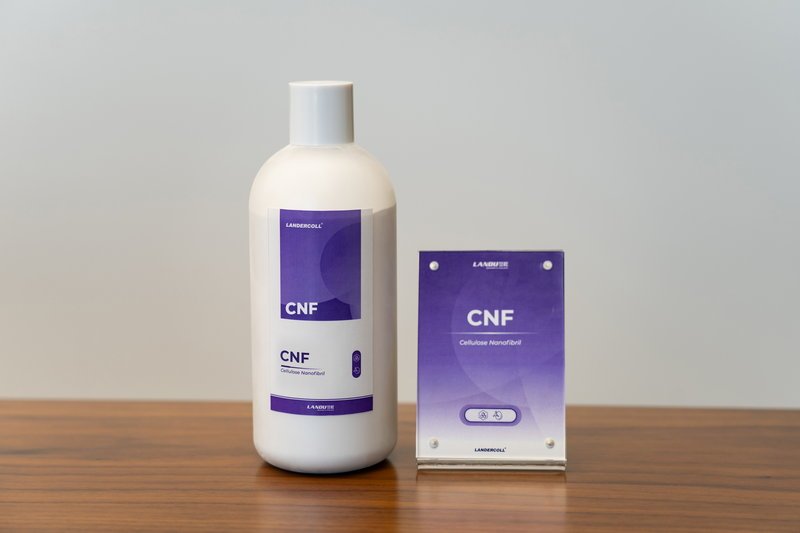
LANDU Cellulose Nanofibers Product Sample
LANDERCOLL CNF Cellulose Nanofibers Product Sample

NCC/NC (nanocrystalline cellulose / nanocellulose) contributes a distinctive rheology profile in toothpaste systems — a strong yield stress at low shear rates combined with rapid viscosity recovery after shear. This gives toothpaste formulas a clean, defined ribbon shape on dispensing and excellent brush-loading behavior, while maintaining smooth flow during the dispensing action itself.

MCC/MC (microcrystalline cellulose / methylcellulose) adds structural reinforcement to the paste matrix — contributing to the body and firmness of the paste while supporting the smooth, controlled flow behavior needed for consistent dispensing. MCC is particularly relevant in abrasive-heavy toothpaste systems where particle suspension and paste body are critical formulation requirements.

Sodium Carboxymethyl Cellulose LANDERCOLL Powder
From fill line to bathroom shelf — moisture has to stay in range.

Moisture engineering

How Do You Maintain Moisture Balance in a Toothpaste System?

Moisture management is one of the most technically specific challenges in toothpaste formulation — and one that's often underestimated by formulators coming from liquid personal care backgrounds. A toothpaste that loses moisture dries out and becomes crumbly or grainy. One that gains moisture becomes soft, loses its structure, and may separate. The paste has to maintain its moisture balance across the full shelf life, through temperature cycling, and through the gradual moisture exchange that occurs through tube walls and closures.

  • Shelf 18–24 months
  • Packaging tube wall & closure
  • Logistics temperature & RH cycles

Primary mechanism

CMC — water binding in the matrix

CMC's water-binding properties make it a natural moisture management agent in toothpaste systems. Its carboxymethyl groups interact with water molecules in the aqueous phase, helping to retain moisture within the paste matrix and resist the moisture migration that causes texture degradation over time. This water-binding contribution is one of the reasons CMC has been the dominant toothpaste thickener for decades — it simultaneously builds structure and manages moisture, addressing two critical formulation requirements with a single ingredient.

Complementary layer

L-HPC/PC — stability across climate

L-HPC/PC (low-substituted hydroxypropyl cellulose / propyl cellulose) adds a complementary moisture management dimension — contributing to the paste's ability to maintain consistent texture and performance across the humidity and temperature variations that occur during storage and distribution.

How Do You Deliver a Smooth, Comfortable Brushing Experience?

The brushing experience is the consumer-facing performance metric that determines whether a toothpaste succeeds commercially. A paste that feels gritty, slimy, too foamy, or leaves a coating on the teeth and gums after rinsing gets one trial. A paste that brushes smoothly, foams appropriately, rinses cleanly, and leaves the mouth feeling fresh and clean drives daily repurchase for years.

The rheology additive system directly influences all of these sensory moments. During brushing, the paste transitions from a structured semi-solid to a fluid under the shear of the toothbrush. The smoothness of this transition — whether it feels abrupt and gritty or smooth and progressive — is controlled by the flow profile of the additive system. A well-formulated toothpaste with the right CMC grade and rheology additive combination transitions smoothly from paste to fluid, distributes evenly across tooth surfaces, and rinses cleanly without leaving a residue.

NCC/NC's contribution to this sensory profile is particularly notable. The nanocellulose network in the paste matrix provides a smooth, lubricious feel during brushing that consumers perceive as a premium sensory experience — a subtle but commercially meaningful differentiation from standard CMC-only formulations.

Redlemon Toothpaste Being Squeezed Onto A Wooden Toothbrush 2026 03 27 00 47 06 Utc Compressed

How Do You Ensure Stability Throughout the Toothpaste Supply Chain?

Toothpaste stability is a multi-stage challenge that spans from factory filling to the consumer's bathroom shelf. The paste has to survive high-shear filling equipment without losing structure, maintain consistency during transport at temperatures ranging from -5°C to 45°C in global distribution, and remain stable in the tube for 18–24 months without separation, syneresis, or texture change.

LANDU's CMC and dedicated Toothpaste Rheology Additives are specifically selected for their stability contribution in oral care paste systems. The CMC gel network provides the primary structural stability — resisting particle settling and phase separation throughout the shelf life. MCC/MC contributes additional structural reinforcement that helps the paste maintain its body under the mechanical stress of filling and transport. The combination of these additive layers creates a paste system with the structural resilience needed for global distribution and extended shelf life.

Which LANDU Products Are Most Relevant for Toothpaste Formulations?

ProductPrimary Role in ToothpasteKey Technical Advantage
CMCPrimary thickener, paste structure, moisture retentionGel network formation; water binding; abrasive suspension; proven oral care compatibility
NCC / NCRheology modifier, yield stress controlStrong yield stress; smooth brushing feel; rapid viscosity recovery; premium sensory profile
MCC / MCStructural reinforcement, particle suspensionPaste body; abrasive suspension; consistent dispensing in high-solids systems
L-HPC / PCMoisture management, texture stabilityConsistent texture across temperature range; moisture retention support

For most toothpaste applications, CMC is the foundational starting point. The dedicated Toothpaste Rheology Additives — NCC/NC, MCC/MC, and L-HPC/PC — provide the specialized functional layers that premium formulations require. LANDU's technical team can help determine which combination best fits your specific paste format, rheology target, and market positioning.

What Performance Improvements Can Formulators Expect?

Before and after: optimizing a toothpaste system with LANDU additives.

Paste structure and stability

A toothpaste relying on a single CMC grade without rheology additive support may show abrasive particle settling of 5–10% by volume after 6 months of storage at elevated temperature. With the addition of MCC/MC as a structural reinforcement layer, the same formula maintains uniform particle distribution throughout the target shelf life.

Dispensing behavior

Standard CMC-only toothpaste formulations often show inconsistent dispensing — the first portion from a new tube dispenses differently from the last portion as the paste compresses and the tube geometry changes. A properly designed CMC + NCC/NC system maintains more consistent dispensing force and ribbon shape throughout the tube life.

Brushing feel

Consumer panel testing on toothpaste formulas consistently shows preference for NCC/NC-containing systems on smoothness during brushing and cleanliness after rinsing — a competitive advantage in premium oral care positioning.

Moisture stability

Toothpaste systems using CMC with L-HPC/PC moisture management support show significantly reduced syneresis (liquid separation) during accelerated storage testing at 40°C/75% RH compared to CMC-only systems — a direct improvement in shelf life performance.

LANDU operates three production facilities with a combined annual capacity of 75,000 tons. The LANDERCOLL cellulose ether range is ISO 9001 certified and EU REACH compliant. Over 500 manufacturing partners in 60+ countries rely on LANDU's personal care and daily chemical additive portfolio.

75,000 t/yr · 3 sites500+ partners · 60+ countriesISO 9001 · EU REACH
LANDU Сотрудники отдела исследований и разработок 2 Landu Sales At Meeting

Who Is This Page For?

If you manufacture standard toothpaste, whitening toothpaste, sensitive formula toothpaste, natural or fluoride-free toothpaste, or other oral care paste products, and you're evaluating additive solutions for paste structure, rheology control, or brushing experience — LANDU's CMC and dedicated Toothpaste Rheology Additives portfolio is worth a direct technical conversation.

The right product combination depends on your specific paste format, target rheology profile, abrasive system, humectant package, active ingredient system, and production process. LANDU's technical team provides grade recommendations, free samples with detailed technical process reports, and formulation guidance — so you can validate performance in your own system before placing a commercial order.

Ready to Improve Your Toothpaste Formula?

If your toothpaste formulation needs better paste structure, more consistent dispensing, improved moisture stability, a smoother brushing experience, or stronger shelf life performance, LANDU has the product combination and the technical expertise to help you get there.

500+ manufacturers across 60+ countries already trust LANDU's daily chemical and oral care additive portfolio. Start with a sample, a grade recommendation, or a direct technical inquiry — our team responds fast.

Frequently Asked Questions About Toothpaste Formulation Additives

Which additive is most relevant for toothpaste formulations?

CMC from LANDU is the foundational thickener for toothpaste — it builds the gel network that holds the paste matrix together, suspends abrasive particles, and manages moisture retention. The dedicated Toothpaste Rheology Additives — NCC/NC for yield stress and brushing feel, MCC/MC for structural reinforcement and particle suspension, and L-HPC/PC for moisture management and texture stability — provide the specialized functional layers that premium toothpaste formulations require. Most commercial toothpaste formulas use CMC in combination with one or more of these specialized additives.

Why does toothpaste need a dedicated additive system rather than general-purpose thickeners?

Toothpaste is a concentrated semi-solid paste system with unique rheology requirements that general-purpose thickeners can't address. It needs a yield stress high enough to hold its shape on the brush, a shear-thinning profile that allows clean dispensing under moderate tube pressure, a gel network strong enough to suspend 20–40% abrasive solids, and moisture management properties that maintain paste consistency across 18–24 months of shelf life. This combination of requirements demands a dedicated oral care additive system — not a general personal care thickener.

What role does CMC play in toothpaste formulation?

CMC is the primary thickener and structure-building agent in toothpaste. Its carboxymethyl groups form a gel network in the aqueous phase that binds water, suspends abrasive particles, and creates the cohesive paste structure that gives toothpaste its characteristic body and consistency. CMC's water-binding properties also contribute to moisture retention — helping the paste maintain its texture and performance across the full shelf life. The specific CMC grade controls the viscosity level, gel strength, and flow behavior of the finished paste.

What does NCC/NC contribute to a toothpaste formula that CMC alone doesn't provide?

NCC/NC (nanocrystalline cellulose/nanocellulose) contributes a strong yield stress at low shear rates combined with rapid viscosity recovery after shear — giving toothpaste a clean, defined ribbon shape on dispensing and excellent brush-loading behavior. During brushing, the nanocellulose network provides a smooth, lubricious feel that consumers perceive as a premium sensory experience. Consumer panel testing consistently shows preference for NCC/NC-containing toothpaste systems on smoothness during brushing and cleanliness after rinsing.

How does MCC/MC improve toothpaste stability and dispensing consistency?

MCC/MC (microcrystalline cellulose/methylcellulose) adds structural reinforcement to the paste matrix — contributing to paste body and firmness while supporting consistent dispensing behavior throughout the tube life. MCC is particularly relevant in abrasive-heavy toothpaste systems where particle suspension and paste body are critical requirements. It helps maintain uniform particle distribution during storage and reduces the dispensing inconsistency that can develop as the paste compresses within the tube.

What is L-HPC/PC and why is it relevant in toothpaste formulation?

L-HPC/PC (low-substituted hydroxypropyl cellulose/propyl cellulose) contributes moisture management and texture stability to toothpaste systems. It helps the paste maintain consistent texture and performance across the humidity and temperature variations that occur during storage and distribution — reducing syneresis (liquid separation) and texture drift that can develop in CMC-only systems during accelerated storage. It's particularly relevant in toothpaste products targeting markets with significant temperature and humidity variation in the distribution chain.

How do I select the right LANDU product combination for my toothpaste formula?

Product combination selection depends on your specific paste format, target rheology profile, abrasive system, humectant package, active ingredient system, and production process. LANDU's technical team provides grade recommendations and combination guidance based on your specific parameters, along with free samples and detailed technical process reports for performance validation before commercial order. Submit a technical inquiry to start the conversation — no commitment required.